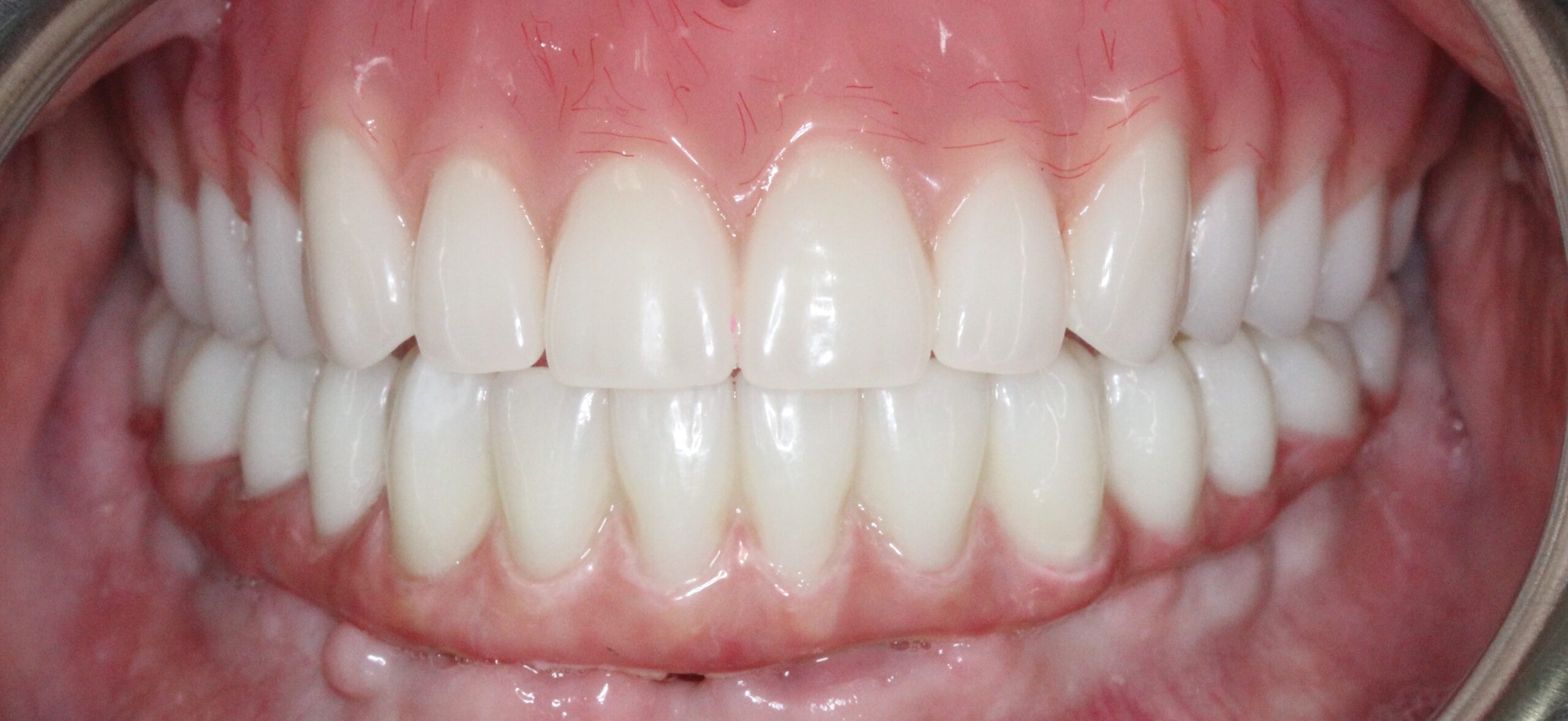
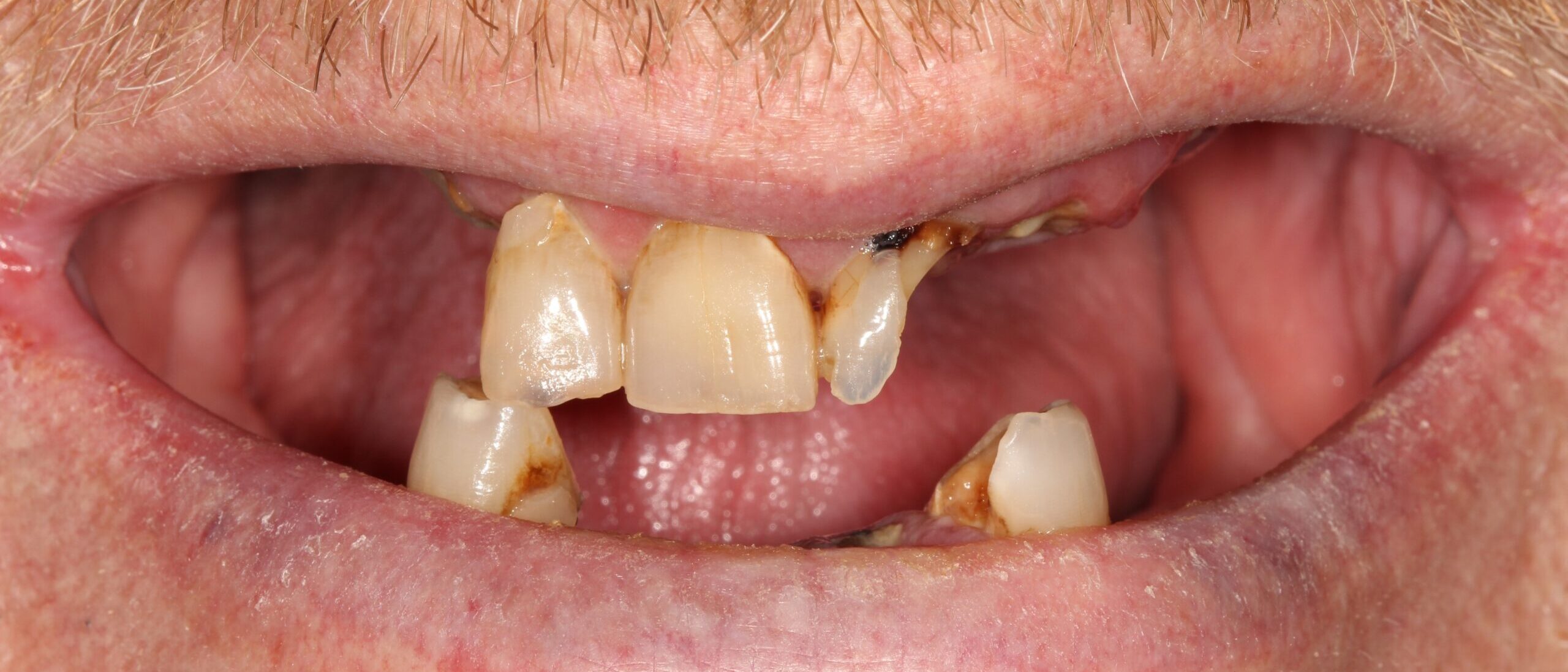
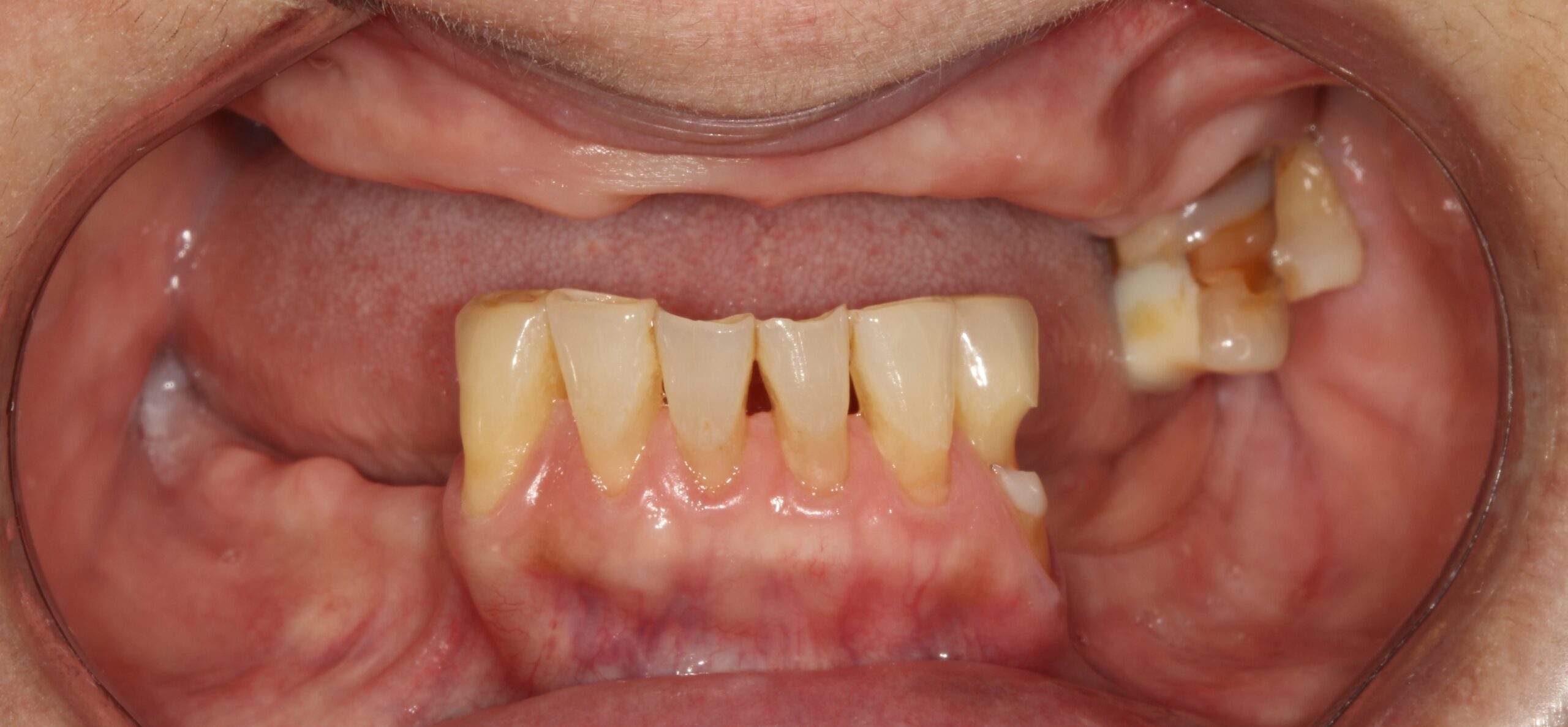
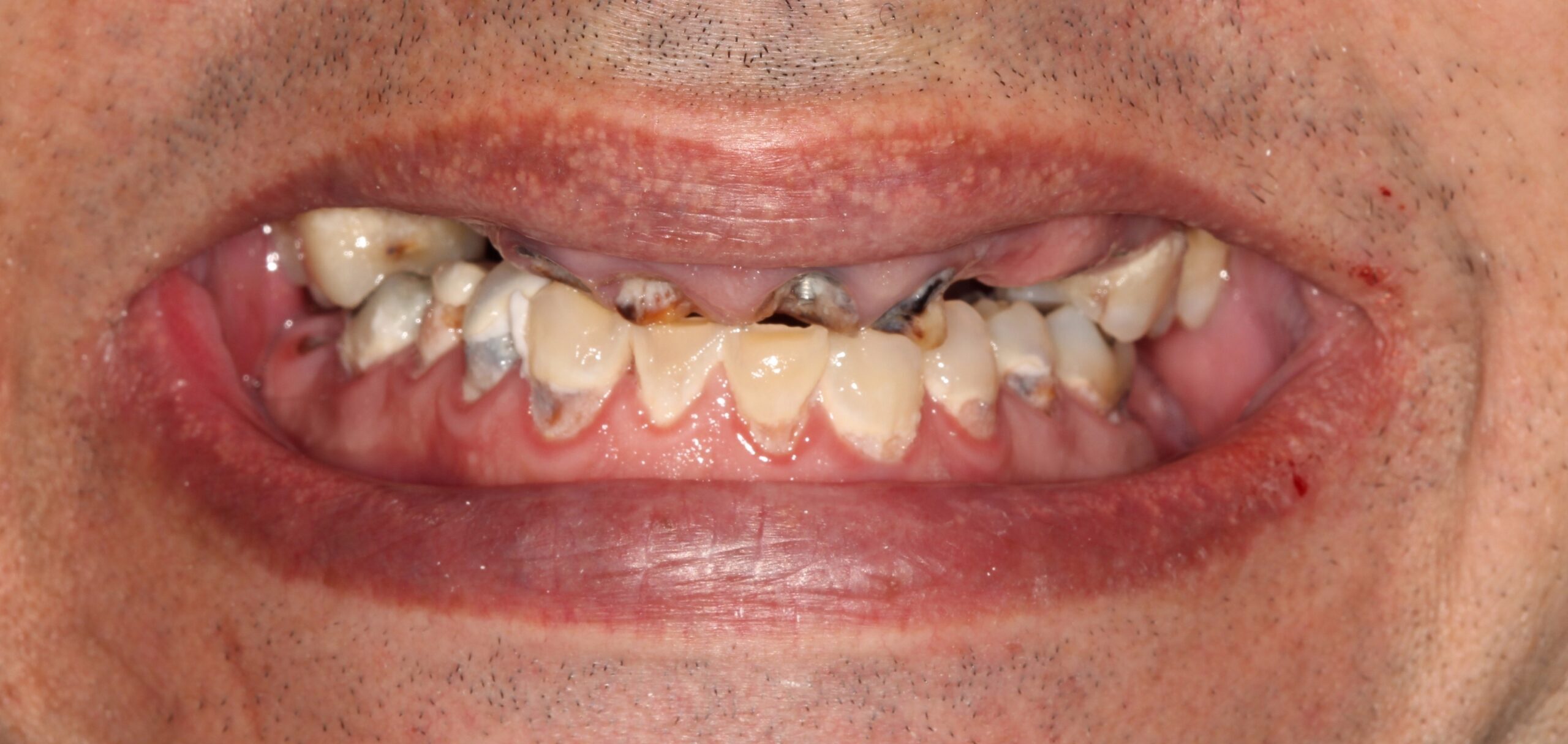
Dental Implants in Ontario

Permanent tooth replacement planned around your bone, your budget, and your timeline.

Restoring Function and Aesthetics with Dental Implants

Losing a tooth changes more than the look of your smile. It affects how you eat, how you speak, and, over time, the health of your jawbone and the teeth that remain. Dental implants are the only tooth replacement option that addresses all of those concerns at once: they replace the visible crown and the root beneath it, giving you a stable, long-lasting result that looks and functions much like a natural tooth.

At SmileCrafters Dental, our team provides dental implant treatment across four Southern Ontario locations in Ancaster, Brantford, Hamilton, and Toronto. Every implant plan begins with a thorough assessment and a clear, pressure-free conversation about whether implants are the right fit for your specific situation.

What Are Dental Implants?

A dental implant is a small titanium or zirconia post placed directly into the jawbone to replace a missing tooth root. Once the post integrates with the surrounding bone, a custom-made crown, bridge, or denture is attached on top to restore the visible portion of the tooth. The result is a replacement that closely mimics the structure and function of your natural dentition.

A Long Term Tooth Replacement Option

Dental implants are designed with longevity in mind. With proper care and regular professional maintenance, implants can remain stable and functional for many years; in many cases, for decades. That durability sets them apart from other tooth replacement approaches, which typically require refitting or replacement over time. For patients across Southern Ontario weighing their options, the long-term performance of implants is often the deciding factor.

How Dental Implants Replace Missing Teeth

A dental implant works in three parts: the post, the abutment, and the restoration.
  • The post is a small, usually threaded titanium or zirconium oxide, a ceramic material, and is placed into the jawbone where the tooth root was missing. Over the months that follow, the surrounding bone heals around and bonds directly with the implant surface through a process called osseointegration. This direct bone-to-implant connection helps make the implant stable within the jaw, rather than resting on the gum or relying on neighbouring teeth for support.
  • The abutment is a small connector piece secured to the top of the integrated post. It creates the platform for the final restoration.
  • The restoration (a crown for a single missing tooth, or a bridge or denture for multiple missing teeth) is custom-fabricated to match the colour, shape, and size of your natural teeth. It is attached to the abutment once integration is confirmed.

Why Patients Choose SmileCrafters for Dental Implants

Local Dental Implant Care Across Ontario

SmileCrafters Dental operates four clinic locations across Southern Ontario, which means patients in Ancaster, Brantford, Hamilton, and Toronto can access implant consultations, treatment, and follow-up care close to home. We offer 6-day-a-week scheduling, 24/7 emergency patient support, and multi-location continuity: if your work or home situation changes, your records and treatment plan are accessible at any of our four locations.

Personalized Treatment Plans for Every Smile

No two implant cases are alike. At SmileCrafters, each plan begins with a comprehensive assessment that includes CBCT (cone beam computed tomography) imaging, which gives our team a precise three-dimensional view of your bone before any recommendation is made. You receive a written treatment plan outlining your options, estimated timeline, and full cost breakdown before you are ever asked to make a decision. No pressure, no surprise figures at the checkout.

Dental Implants Near Me in Ontario

Finding Local Dental Implants Near Me

Convenient Dental Implant Consultations

Accessing implant care should not require a long commute or a lengthy wait list. SmileCrafters Dental offers implant consultations at all four Ontario locations, with same-week appointments available in many cases and direct insurance billing to handle the paperwork on your behalf. If you are searching for dental implants near you in Southern Ontario, one of our four clinics is likely closer than you think.

Ontario Dental Clinics Serving Nearby Communities

Our four clinics serve a wide catchment across the region. Patients regularly travel from nearby areas to access implant services at SmileCrafters:

Ancaster, ON

Serving Ancaster, Hamilton Mountain, and the surrounding Wilson Street corridor.

Brantford, ON

Serving Brantford, Brant County, Paris, Eagle Place, and West Brant.

Hamilton, ON

Serving Hamilton East, Stoney Creek, Dundas, Stipley, Crown Point, and McQuesten.

Toronto, ON

Serving the Stockyards Village, the Junction, Carleton Village, Earlscourt, and Davenport neighbourhoods.

Who Is a Good Candidate for Dental Implants?

Most patients who are missing one or more teeth are worth a conversation about implants. A clinical assessment with imaging is the only way to confirm candidacy, but the following situations are among the most common we encounter across our four Ontario locations.

Missing One Tooth

A single missing tooth is one of the clearest cases for an implant. One post, one crown, and the gap is restored without any impact on the teeth on either side. Patients often describe the final result as simply feeling like their own tooth.

Missing Multiple Teeth

Several missing teeth, whether adjacent or scattered across the arch, can often be addressed with a smaller number of implants supporting a bridge or implant-supported restoration. This approach is more efficient than placing an individual post for every missing tooth, and it still provides the bone-preserving benefits that implants are unique in offering.

Loose or Uncomfortable Dentures

Patients who are already wearing dentures but finding them loose, uncomfortable, or limiting in what they can eat often benefit significantly from implant-supported alternatives. Even two to four strategically placed implants can transform denture stability in a way that conventional adhesives never will.

Healthy Gums and Jawbone Support

Implants require adequate bone volume and density at the placement site, along with healthy gum tissue. Patients with active gum disease typically need it treated before implant placement can proceed. Patients with insufficient bone may be candidates for bone grafting as a preparatory step. Neither situation rules implants out; both simply factor into the planning process. Your dentist will assess these details at your consultation and outline all relevant options.

Types of Dental Implants Available

Implant treatment is not one-size-fits-all. The right approach depends on how many teeth are missing, the condition of the supporting bone and gums, your lifestyle, and what type of final restoration makes the most clinical and functional sense. Below is an overview of the implant options available at SmileCrafters.

Single Tooth Dental Implants

Replacing One Missing Tooth with an Implant Crown

A single-tooth implant involves placing one post into the jawbone at the site of the missing tooth, allowing it to fully integrate, and then attaching a custom porcelain or ceramic crown. The restoration is matched to the surrounding teeth in colour and shape. Crucially, no modification is required to the neighbouring teeth on either side, which remain entirely intact. Single-tooth implants are the most common implant procedure and typically the most straightforward.

Multiple Tooth Dental Implants

Implant Supported Bridges for Several Missing Teeth

When several adjacent teeth are missing, an implant-supported bridge uses two or more implants as anchors to support a row of replacement teeth. Unlike a conventional bridge anchored to natural teeth, this approach does not require the neighbouring healthy teeth to be filed down and crowned. The implants carry the load, preserve the bone beneath each anchor point, and provide a result that is stable, functional, and natural-looking.

Full Dental Implants Near Me

Full Arch Dental Implants for Complete Smile Restoration

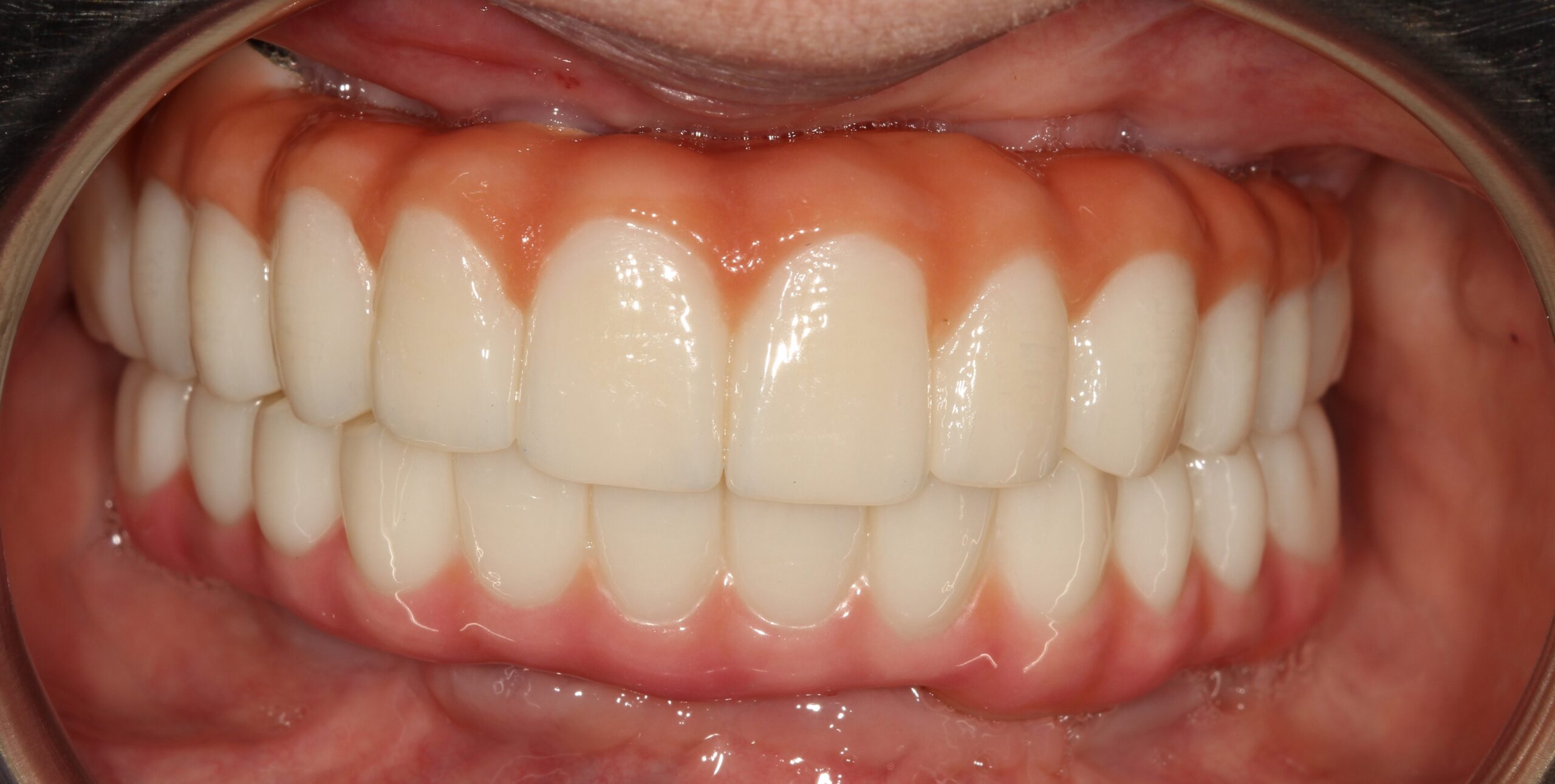
For patients who have lost all or most of the teeth in one arch, full-arch implant restoration uses multiple strategically placed posts to support a complete set of replacement teeth. This approach maintains the bone structure that conventional dentures cannot, and it delivers stability and bite function that closely matches what natural teeth provide.

Implant Supported Dentures for Better Stability

Implant-supported dentures use two to six implants to anchor a removable or fixed denture securely in place. They eliminate the slipping and clicking that patients often experience with conventional dentures, expand food choices considerably, and remove the need for adhesives. Patients who make this transition frequently describe it as one of the most impactful changes in their daily comfort.

All On X Dental Implants

A Fixed Solution for Full Arch Tooth Replacement

All-on-X (commonly All-on-4 or All-on-6) is a treatment approach in which four or more implants are positioned to support a full arch of fixed, non-removable replacement teeth. The prosthesis is permanent from the patient’s perspective: it is not removed at night, and it is cared for the same way natural teeth are. This option is suited to patients who want the most stable, functional, and natural-feeling outcome for complete smile restoration. Determining whether All-on-X is appropriate requires a consultation with full CBCT imaging to assess bone volume, anatomy, and placement angle.

Dental Implant Surgery in Ontario

What Happens During Dental Implant Surgery?

Dental implant treatment follows a structured, staged process. Understanding each step in advance makes the experience considerably more manageable.

Step 1: Dental Implant Consultation

Your first appointment is diagnostic and informational, not a commitment. The team reviews your dental and medical history, conducts a clinical examination of your teeth and gums, and takes the imaging needed to evaluate your bone structure. You leave with a clear picture of your options, a realistic timeline, and a written cost estimate before any decision is required.

Step 2: Digital Imaging and Treatment Planning

CBCT imaging gives our team a precise, three-dimensional view of your jawbone, nerve pathways, and sinus anatomy before any surgical planning begins. This level of detail allows the implant to be positioned precisely for optimal integration and long-term support, and it identifies any bone grafting requirements well before your surgery date. At SmileCrafters, CBCT imaging is part of the implant planning process at all four Ontario locations.

Step 3: Implant Placement

Implant surgery is carried out under local anaesthesia. The procedure involves creating a small opening in the gum tissue, placing the titanium post into the prepared site in the jawbone, and closing the gum around or over the implant. The surgical site is fully numbed before any work begins. Most patients describe the sensation during the procedure as pressure rather than pain.

Step 4: Healing and Osseointegration

After placement, the implant undergoes osseointegration: the process by which bone cells grow around and fuse with the titanium surface, creating a stable biological bond. Research indicates this phase typically takes three to six months, with lower-jaw implants often integrating faster than upper-jaw ones due to differences in bone density. The site may appear fully healed at the surface well before integration is complete; imaging is used to confirm readiness before the final restoration is placed.

For a detailed look at what each stage of healing involves, including what is normal and what warrants a call to your dental team, our recovery guides cover the full timeline.

Step 5: Custom Crown, Bridge, or Denture Placement

Once imaging confirms successful osseointegration, the final restoration is fabricated and placed. A digital scan or impression captures the precise dimensions needed for an accurate fit. Minor bite adjustments in the first few weeks are common and expected as the jaw adapts to the new restoration.

Ready to Check Eligibility?

Get a written treatment estimate, no pressure, no commitment, just a clear picture of your options.

Is Dental Implant Surgery Painful?

Comfort Focused Care During Treatment

The surgical area is fully anaesthetised before any procedure begins. Patients in our Ancaster, Brantford, Hamilton, and Toronto clinics most commonly describe the experience as one of pressure and sensation rather than sharp pain. Post-surgical discomfort is typically managed with over-the-counter ibuprofen and acetaminophen in the days immediately following surgery. Pain that worsens rather than improves after the first three days is a signal worth a prompt call to your dental team.

Sedation Options When Appropriate

For patients with dental anxiety, a lower pain threshold, or more complex treatment plans involving multiple implants or additional procedures, oral or IV sedation is available at SmileCrafters. Oral sedation is taken before the appointment and produces a deeply relaxed state. IV sedation is administered directly and allows for more precise depth of sedation throughout the procedure. Your dentist will discuss which option fits your health history and treatment plan at the planning stage.

Dental Implants Cost in Ontario

How Much Do Dental Implants Cost?

Dental implant costs in Ontario vary considerably based on the specifics of each case. There is no single figure that applies across all patients, and any quote provided before a full clinical assessment should be approached with caution. At SmileCrafters, you receive a written treatment plan with a complete cost breakdown after imaging and examination, before any treatment begins.

Factors That Affect Dental Implants Cost

Several clinical variables shape the total cost of implant treatment. Understanding these factors gives you a clearer framework for the conversation you will have at your consultation.

Number of Implants Needed

A single implant and crown involves different costs than multiple implants placed across an arch. For patients requiring full-arch restoration, an All-on-X approach, which uses four or more implants to support a complete prosthesis, can be more cost-effective per tooth replaced than individual implants for each missing tooth.

Bone Grafting or Additional Procedures

If bone grafting or a sinus lift is needed before implant placement, this adds to the overall cost and extends the treatment timeline. These procedures are not required in every case; your CBCT imaging at the consultation stage will clarify whether they are relevant to yours.

Type of Final Restoration

The nature of the final restoration, whether a single porcelain crown, an implant-supported bridge, an implant-retained denture, or a full-arch fixed prosthesis, varies in complexity and therefore in cost. Your written treatment plan will itemize these specifics clearly.

Affordable Dental Implants in Ontario

Flexible Treatment Options for Different Budgets

SmileCrafters offers direct insurance billing for any implant-related services covered under your plan. Most Ontario dental plans do not cover implants in full; however, portions of the treatment may qualify for partial coverage depending on your policy. Our team reviews your plan with you before treatment begins so there are no surprises. For patients with broader restorative needs, a phased treatment approach may allow the work to be spread across time in a more manageable way financially. This is worth raising at your consultation.

Why Dental Implants Are a Long Term Investment

When considered over their functional lifespan, implants often compare favourably to alternatives that require periodic replacement or adjustment. Conventional bridges typically need replacement after 10 to 15 years. Dentures require relining and eventual replacement as the underlying bone changes shape over time. Beyond replacement costs, the jawbone preservation that implants provide also reduces the likelihood of future dental work by maintaining the bone volume and structural support that neighbouring teeth depend on.

Benefits of Dental Implants

Dental Implants Look and Feel Natural

Custom Restorations Designed to Match the Smile

The crown, bridge, or denture attached to your implant is custom-fabricated to match the colour, shape, and size of your surrounding teeth. Once placed, it is virtually indistinguishable from natural dentition in most cases. Patients frequently describe eating, speaking, and smiling with an implant as simply feeling like their own tooth: no adjustment period, no self-consciousness, no caveat.

Dental Implants Help Protect Jawbone Health

Preventing Bone Loss After Tooth Loss

When a tooth is lost, the jawbone at that site no longer receives the stimulation that a natural root provides during biting and chewing. Without that signal, the bone begins to resorb gradually, which can affect the position of neighbouring teeth and alter the overall shape of the jaw over time.

A dental implant post acts as a functional substitute for the root. It transmits the mechanical forces of chewing into the surrounding bone, helping to maintain its volume and density. This is the one benefit that bridges and dentures cannot replicate; it is also one of the most clinically significant reasons that implants are considered the standard of care for appropriate candidates.

Dental Implants Improve Chewing and Speaking

Stable Support Compared to Removable Dentures

Because implants are anchored directly in bone, they do not shift, click, or require adhesive to stay in place. Patients who transition from conventional dentures to implant-supported restorations consistently report a meaningful improvement in what they can eat and how natural conversation feels. Hard foods, crunchy foods, and speaking with confidence in public are simply part of daily life again.

Dental Implants Can Last for Many Years

Long Term Care and Maintenance

Implants require the same foundational care as natural teeth: brushing twice daily, cleaning between teeth with implant-safe floss or interdental brushes, and attending regular professional cleanings. With consistent home care and ongoing professional monitoring, implants can remain stable for many years. Factors such as tobacco use, poorly controlled systemic conditions, and insufficient oral hygiene are associated with higher rates of late-stage implant complications, which is why these topics are discussed openly at the planning stage rather than glossed over.

Dental Implants Compared to Other Tooth Replacement Options

Factor Dental Implants Dental Bridges Partial or Full Dentures
Replaces the root
Yes
No
No
Preserves jawbone
Yes
No
No
Effect on adjacent teeth
None
Adjacent teeth must be prepared and reduced
May clasp onto neighbouring teeth
Removable by patient
No
No
Yes
Stability during eating
Excellent
Good
Variable; can shift
Estimated lifespan
15 or more years with proper care
10 to 15 years
5 to 10 years
Bone grafting sometimes needed
Possibly, depending on bone volume
No
No
Daily cleaning routine
Brush and floss as normal
Floss threader required under bridge; standard brushing
Remove and soak daily

Comparing Dental Implant and Alternative Treatment Options

A clinical assessment with imaging is the only way to know. We walk you through every option and its trade-offs clearly, with no pressure to commit.

Dental Implants vs Dentures

Stability, Comfort, and Daily Function

Conventional full or partial dentures rest on the gum surface and rely on suction, clasps, or adhesive to stay in place. They can shift during meals or conversation, restrict food choices, and require removal for daily cleaning. Over time, the bone beneath a denture changes shape, affecting fit and eventually requiring relining or a new appliance. Implants eliminate these limitations by anchoring the restoration directly in bone. Patients who have made the switch consistently describe the difference as substantial.

Dental Implants vs Dental Bridges

Protecting Nearby Natural Teeth

A traditional dental bridge spans the gap by anchoring onto the natural teeth on either side, which must first be filed down and fitted with crowns to serve as support posts. Those neighbouring teeth, which are otherwise intact, are permanently altered to carry the bridge. An implant placed at the site of the missing tooth eliminates the need to modify the adjacent teeth at all. Their natural structure stays completely untouched.

Choosing the Right Tooth Replacement Option

When Implants May Be Recommended

Implants tend to be the preferred recommendation when a patient has adequate bone volume, healthy gum tissue, and a preference for a permanent, low-maintenance result. They are particularly well-suited for single missing teeth, gaps where the neighbouring teeth are healthy and worth preserving, and patients who find removable dentures uncomfortable or limiting.

When Other Options May Be Considered

Bridges and dentures remain clinically appropriate in cases where implants are not a fit: severely compromised bone without a viable grafting pathway, certain systemic conditions affecting bone metabolism, patient preference for a non-surgical approach, or financial considerations where implants are not currently feasible. Your dentist will walk you through every option and its trade-offs clearly, with no pressure to commit to any particular path.

Preparing for Dental Implant Treatment

What to Expect at Your Dental Implant Consultation

A dental implant consultation at SmileCrafters is a diagnostic and planning session, not a sales appointment. You leave with a clear picture of your situation and a written plan in hand.

Oral Health Evaluation

The appointment begins with a full clinical examination of your teeth, gums, and existing dental work. Any active issues, such as untreated decay or gum disease, are identified at this stage, since these need to be addressed before implant treatment can proceed safely.

Jawbone and Gum Assessment

CBCT imaging provides a three-dimensional view of the bone at the intended implant site, including height, width, and density. The scan also reveals nerve pathways, sinus proximity, and other anatomical structures relevant to safe and precise placement. This information is essential for building a realistic plan and avoiding surprises mid-treatment.

Review of Medical History

Your full medical history is reviewed in detail. Certain medications, including bisphosphonates used to manage osteoporosis, can affect bone metabolism and implant healing. Systemic conditions such as uncontrolled diabetes and factors such as tobacco use are also assessed, since they influence the healing process and long-term success. Bringing a current medication list to your first appointment is helpful.

Personalized Cost and Treatment Timeline

After the exam and imaging, your dentist walks you through a realistic timeline for your specific case, including any preparatory steps and the full sequence of appointments. A written cost estimate with itemized stages is provided before you are ever asked to decide on anything.

Questions to Ask About Dental Implants

Coming to your consultation prepared with questions is encouraged. Our team welcomes them at every location. The following are some of the most useful things to get clarity on before you commit.

The number of implants required depends on how many teeth are missing, their position in the arch, and what type of restoration is planned. A single missing tooth typically requires one implant; full-arch restoration requires fewer implants than many patients expect, particularly with an All-on-X approach. Your CBCT imaging results inform the precise answer.

The options range from a single crown to an implant-supported bridge to a full-arch fixed prosthesis. Your dentist will walk through which restoration type fits your bone anatomy, the number of missing teeth, your lifestyle needs, and your budget. There is rarely only one acceptable answer, and understanding the trade-offs between options is part of what the consultation is for.

Ask for a written, itemized estimate that breaks down each phase of treatment, including any preparatory procedures such as grafting. Also confirm what your dental insurance plan covers, and which components may be partially billable. Direct billing is available at all four SmileCrafters locations, and our team will work through the coverage details with you before treatment begins.

Dental Implant Aftercare and Maintenance

How to Care for Dental Implants

Brushing and Flossing Around Implants

Implants cannot develop cavities, but the tissue and bone surrounding them are not immune to the effects of plaque accumulation. Bacteria that build up around an implant can lead to peri-implantitis, an inflammatory condition of the surrounding gum and bone that is the most common cause of late-stage implant failure. The prevention is straightforward: brush twice daily with a soft-bristle brush, and clean between teeth and around the implant base with implant-safe floss, interdental brushes, or a water flosser. Your hygienist will review technique with you at your maintenance appointments and adjust recommendations based on what your current tissue health shows.

Regular Dental Checkups and Cleanings

Professional cleanings and regular checkups are essential to long-term implant health. At each visit, the team assesses the gum tissue and bone level around the implant, cleans areas that home care cannot reach, and takes imaging as needed to monitor integration and bone stability over time. Catching early signs of peri-implantitis allows for intervention before significant or irreversible damage occurs. This is one area where attending recall appointments, even when everything feels fine, makes a concrete difference in outcomes.

Avoiding Habits That Can Damage Implants

Implant restorations are durable, but they are not invulnerable. Chewing ice, biting fingernails, or using your teeth as tools places unnecessary stress on both the implant and the crown. Tobacco use is strongly associated with higher implant complication and failure rates; the American Dental Association’s research on tobacco and healing is consistent on this point. Patients who grind their teeth at night may benefit from a custom nightguard to protect the restoration from the sustained forces of bruxism.

How Long Do Dental Implants Last?

Factors That Support Long Term Implant Success

Research indicates that dental implants, when placed in appropriate candidates and properly maintained, have strong long-term success rates. The factors most consistently associated with implant longevity are: consistent home oral hygiene, regular professional cleanings and monitoring, not smoking, stable systemic health, and protecting the restoration from excessive bite forces. A dental implant is not a one-time intervention; it is a long-term clinical relationship supported by the care you provide at home and the maintenance your dental team provides at each visit.

All-on-4 Dental Implants in Ancaster, Toronto, Brantford & Hamilton

Missing most or all of your teeth? All-on-4 dental implants replace a full arch of teeth using just four strategically placed implants, giving you a secure, natural-looking smile, often in a single day.

Book a Dental Implant Consultation in Ontario

Choose SmileCrafters for Local Dental Implants Near Me

If you are missing teeth and wondering whether dental implants are the right option, the most useful next step is a consultation, not more research. A proper clinical assessment gives you a clear picture of your candidacy, your options, your timeline, and your costs before you are ever asked to commit to anything.

Schedule Your Visit Today

SmileCrafters Dental offers dental implant consultations at all four Southern Ontario locations, six days a week. Same-week appointments are available in many cases. Book online at smilecrafters.ca or call your nearest clinic to get started.

Ask About Affordable Dental Implant Options

Direct insurance billing is available at all four SmileCrafters locations. Our team will review your coverage with you and clarify what is billable before treatment begins. For patients with more extensive restorative needs, we are glad to discuss phased treatment approaches at your consultation.

Start Your Smile Restoration with SmileCrafters Dental

Ancaster: 1146 Wilson St W Unit B5, Ancaster, ON | 905-648-0550

Brantford: 50 Market St S #115, Brantford, ON | 519-753-0550

Hamilton: 1149 Barton St E Unit 2-#1, Hamilton, ON | 905-393-0550

Toronto: 2583 St. Clair Ave W Unit #3, Toronto, ON | 416-604-0550

Book online at smilecrafters.ca | Direct insurance billing | Open 6 days a week | 24/7 emergency patient support
This content is for informational purposes only and is not a substitute for professional dental advice, diagnosis, or treatment. For personalized care, please book a consultation at your nearest SmileCrafters Dental location: Ancaster (905-648-0550), Brantford (519-753-0550), Hamilton (905-393-0550), or Toronto (416-604-0550). Visit smilecrafters.ca to learn more.

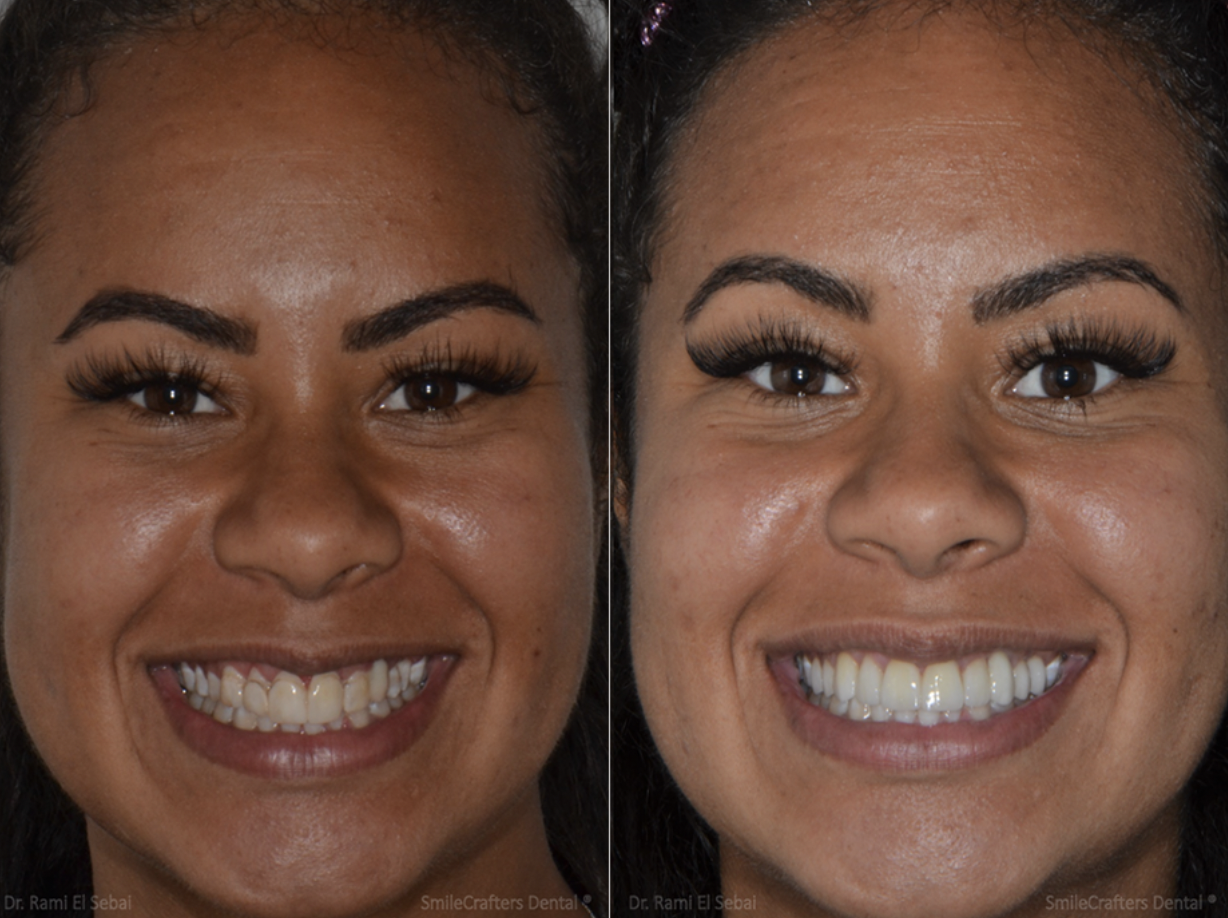
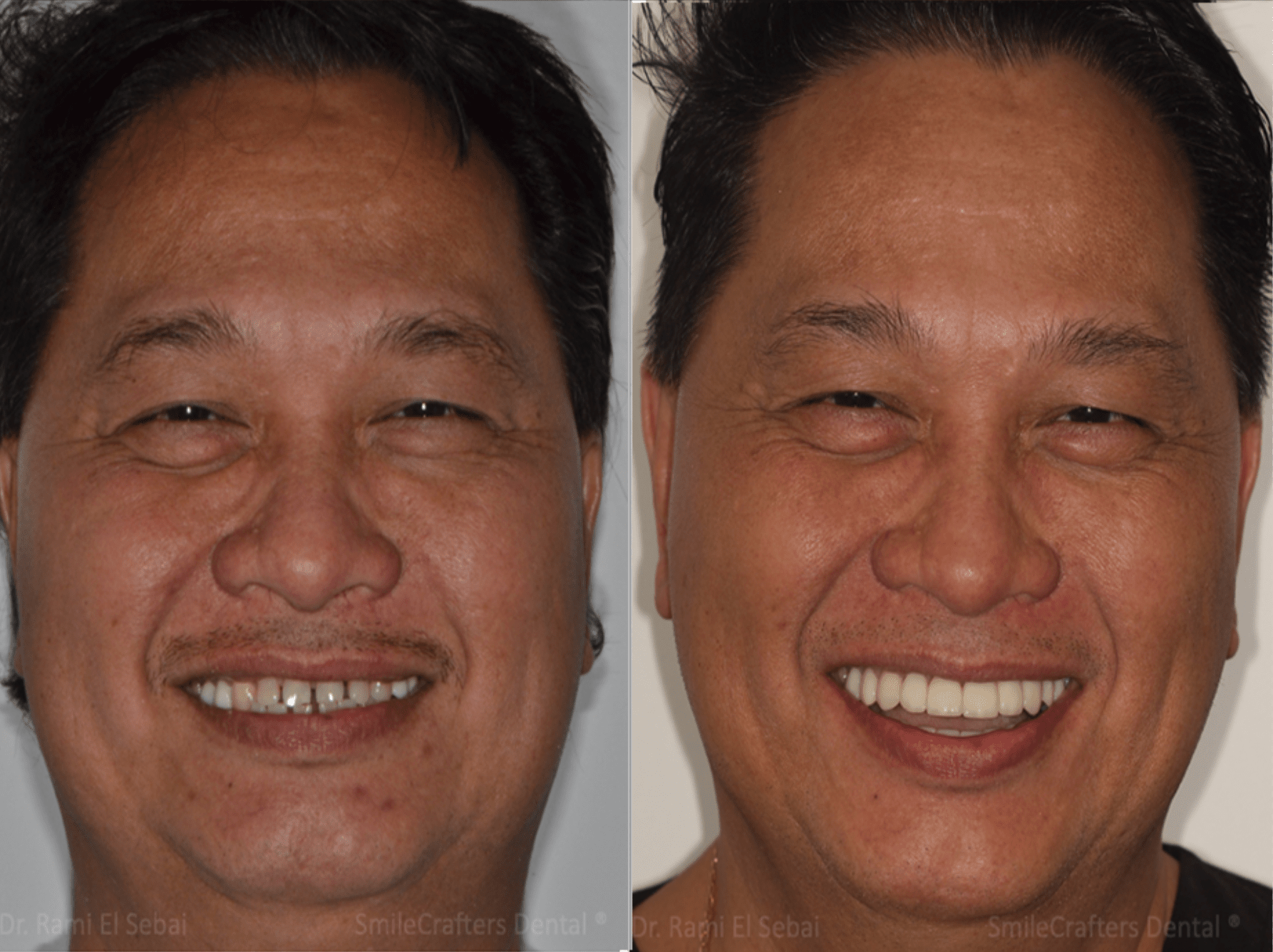
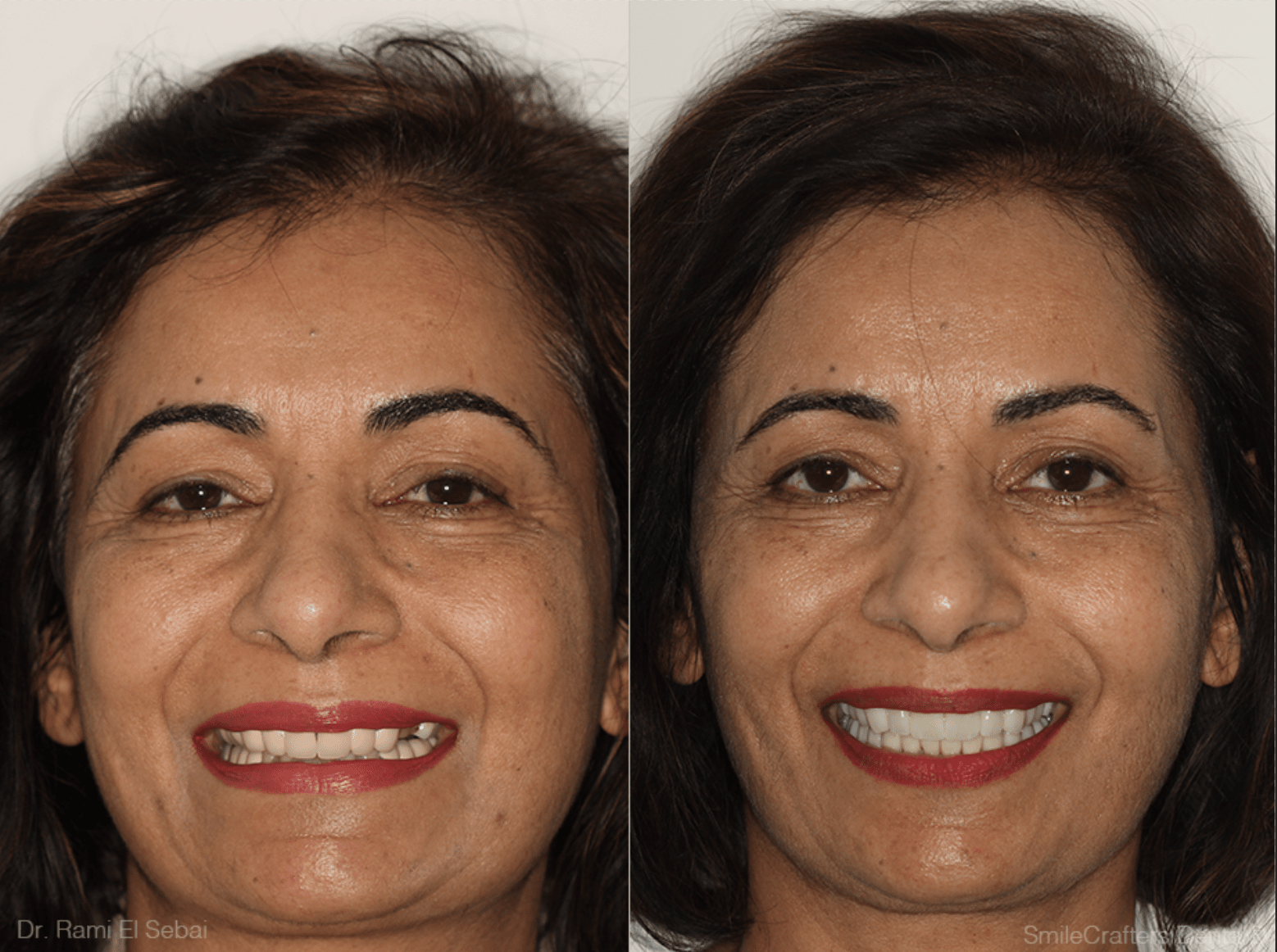
Before & After

Teeth Images
Teeth Images
Teeth Images
Teeth Images
Teeth Images
Teeth Images
Teeth Images
Teeth Images
Teeth Images
Teeth Images
Teeth Images
Teeth Images
Teeth Images
Teeth Images
Teeth Images
Teeth Images
Teeth Images
Teeth Images
Teeth Images
Teeth Images
Teeth Images
Teeth Images
Teeth Images
Teeth Images
Teeth Images
Teeth Images
Teeth Images
Teeth Images
Teeth Images
Teeth Images

Select your location

Ancaster
1146 Wilson St. W.
905-648-0550

Brantford

50 Market St S. #115
519-753-0550

Hamilton

1149 Barton St E Unit 2-#1
905-393-0550

Toronto

2583 St Clair Ave W. Unit #3
416-604-0550