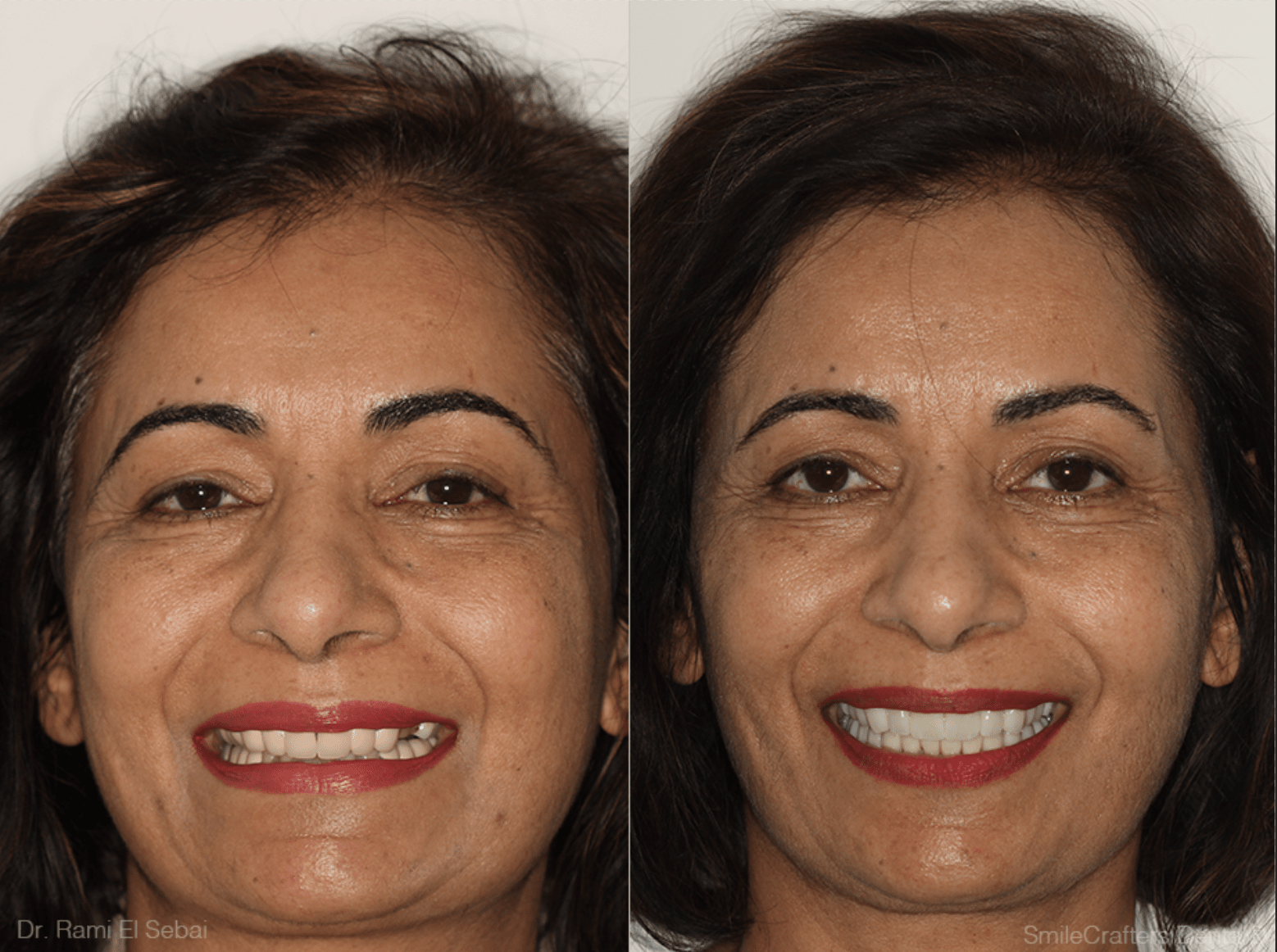
Gum Grafting
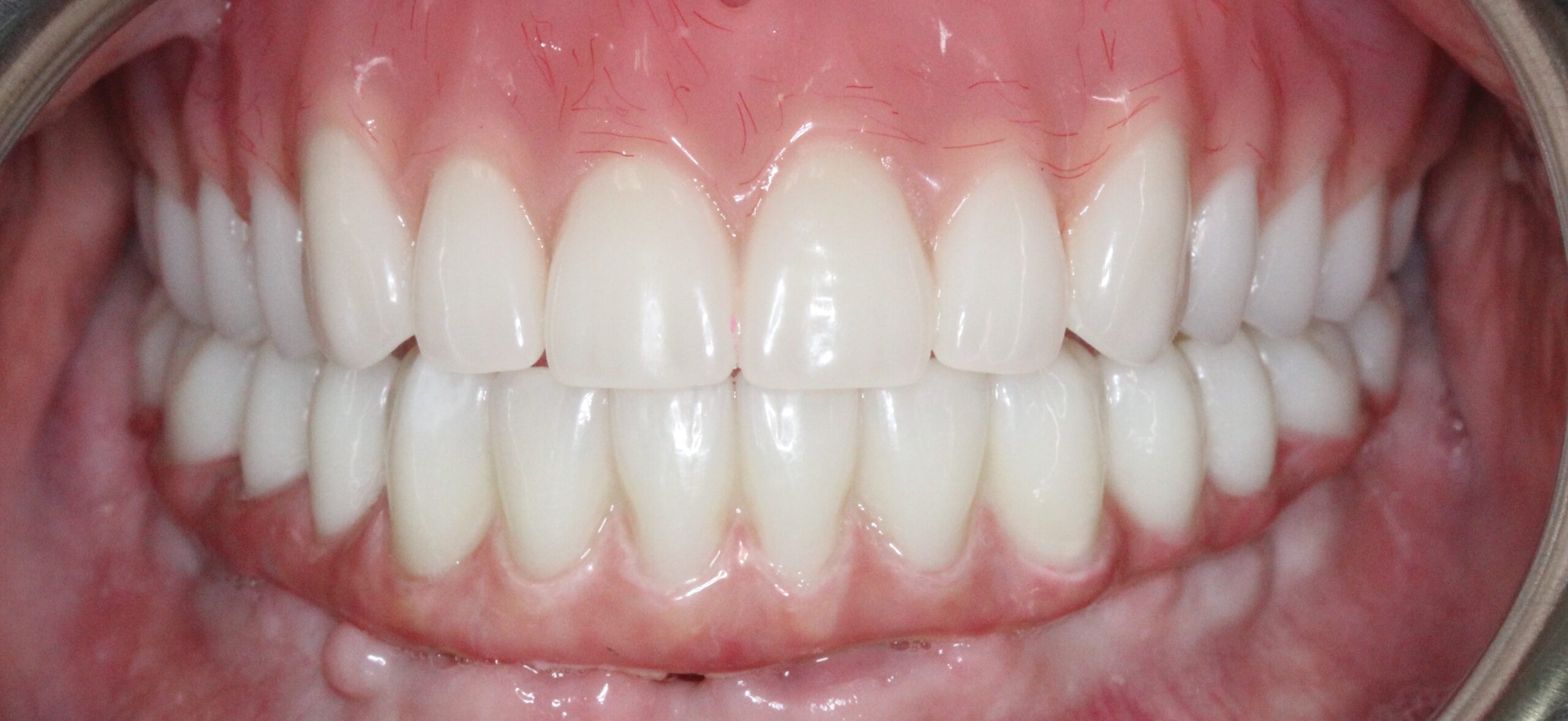
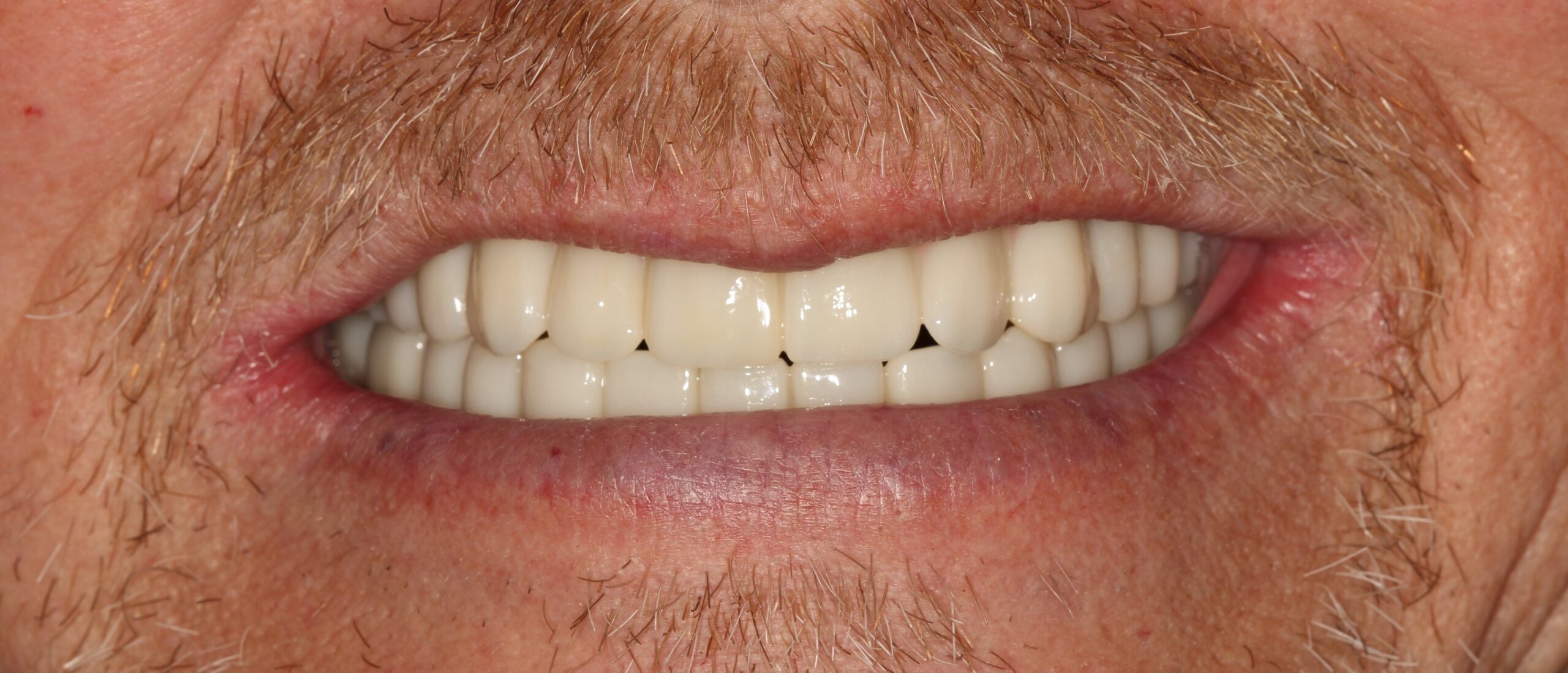
Gum grafting is a dental procedure designed to restore and enhance the health of your gums. It involves taking tissue from another part of your mouth (or using donor tissue) and grafting it onto areas where the gums have receded. Gum recession can be caused by factors such as gum disease, brushing too aggressively, or aging, and can lead to tooth sensitivity, increased risk of decay, and even tooth loss. Gum grafting helps protect the exposed tooth roots, improves the aesthetic appearance of your smile, and restores gum health, ensuring the long-term stability of your teeth. This procedure is essential for preventing further gum recession and maintaining optimal oral health.
Gum Grafting Explained
Healthy gums are crucial for maintaining optimal oral health and preventing further damage to your teeth and supporting structures. Here are a few reasons why gum grafting is important:
- Prevents Further Gum Recession: If left untreated, gum recession can progress, leading to further damage and the need for more extensive dental procedures.
- Restores Gum Health: Gum grafting helps protect tooth roots from decay, reduces tooth sensitivity, and strengthens the overall gum structure.
- Improves Aesthetic Appearance: Gum recession can affect the look of your smile. Gum grafting can restore the natural contour of your gums, enhancing both appearance and self-confidence.
- Reduces the Risk of Tooth Loss: Gum recession is often a contributing factor to tooth loss. By restoring the gums, you help prevent more serious issues in the future.
- Reduces tooth sensitivity: protects the exposed tooth roots, reducing discomfort when eating hot or cold foods
- Consultation & Evaluation:
During your initial consultation, our dentist will examine your gums, review your oral health, and discuss your goals. Digital imaging or X-rays may be taken to assess the severity of gum recession and determine the best approach for your treatment. - Anesthesia & Preparation:
Gum grafting is typically performed under local anesthesia to ensure you’re comfortable throughout the procedure. Sedation options may also be available for those who experience dental anxiety. - Gum Grafting Procedure:
Once you’re comfortable, the dentist will begin the procedure by making a small incision in the gum tissue to access the underlying area. The donor tissue is carefully harvested and grafted onto the affected area, where it will integrate with the surrounding gum tissue. - Post-Procedure Care:
After the graft is placed, your dentist will stitch the gums and provide you with post-operative care instructions. This may include recommendations for managing swelling and pain, as well as dietary restrictions for a period of time.
The recovery period for gum grafting is typically quick, with most patients returning to normal activities within a few days. Here’s what you can expect after the procedure:
- Mild Discomfort & Swelling: Some mild discomfort and swelling are common, but these can be managed with prescribed pain medication or over-the-counter pain relievers.
- Dietary Adjustments: You may be advised to stick to soft foods and avoid hot, spicy, or crunchy foods that could irritate the surgical site.
- Oral Hygiene: Your dentist will provide instructions on how to care for your gums during recovery.
You will have a follow-up appointment to ensure proper healing and check for any complications.
Q: Is gum grafting painful?
The procedure is performed under local anesthesia, so you won’t feel any pain during the surgery. Afterward, mild discomfort and swelling are common but can be managed with medication.
Q: How long does recovery take?
Most patients feel comfortable enough to return to normal activities within a few days. Full recovery typically takes around 4 weeks, depending on the extent of the grafting procedure.
Q: Will I need stitches?
Yes, stitches are typically used to hold the grafted tissue in place. These stitches will either dissolve on their own or be removed during a follow-up visit.
Q: How long will the results last?
With proper care, the results of gum grafting can be permanent, especially if you continue to maintain good oral hygiene and regular dental visits.
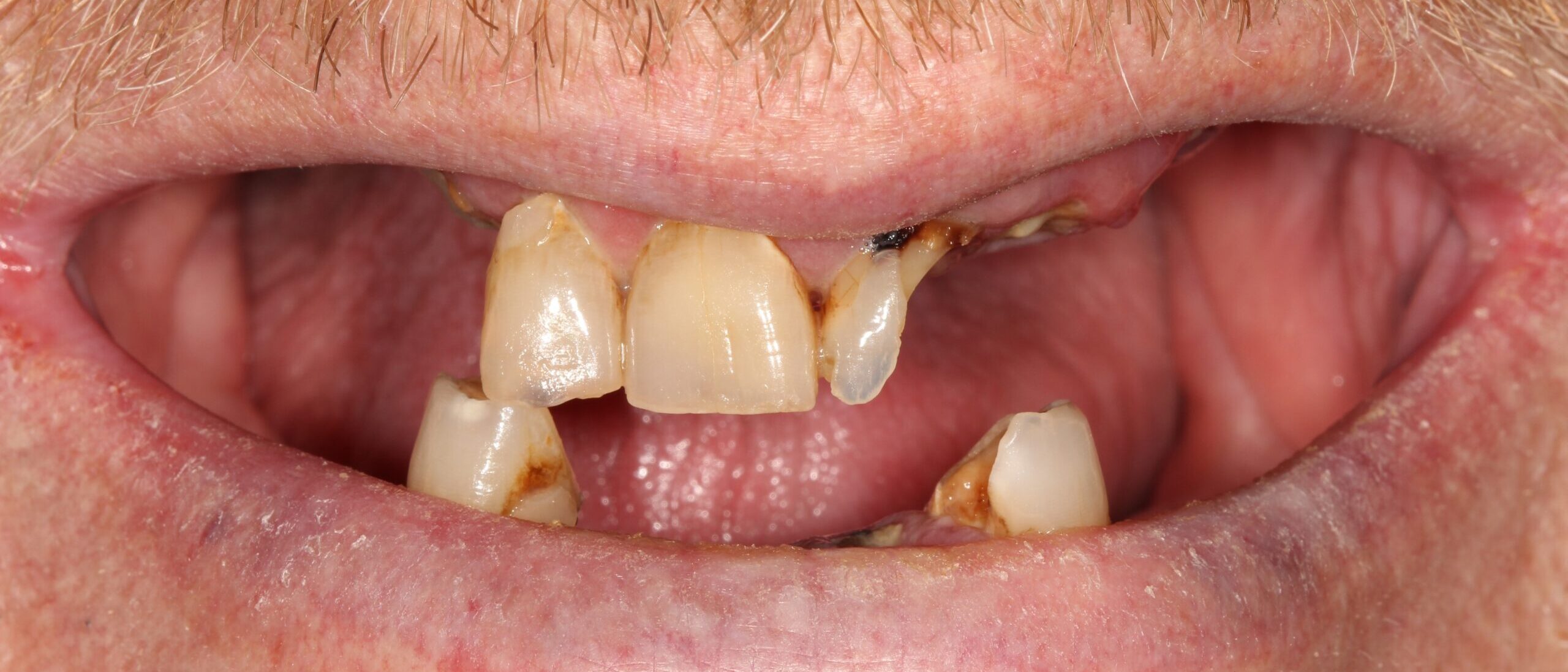
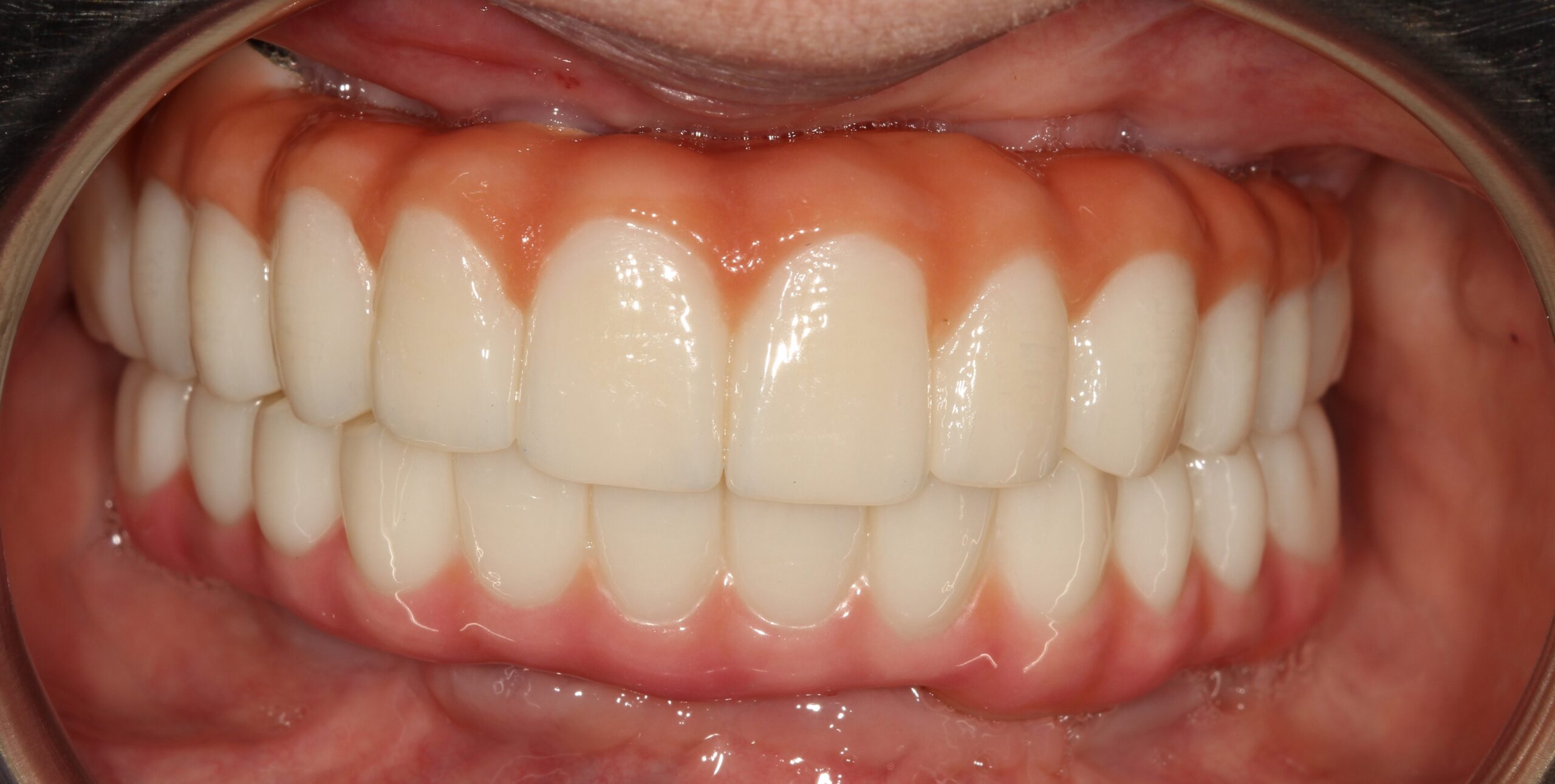
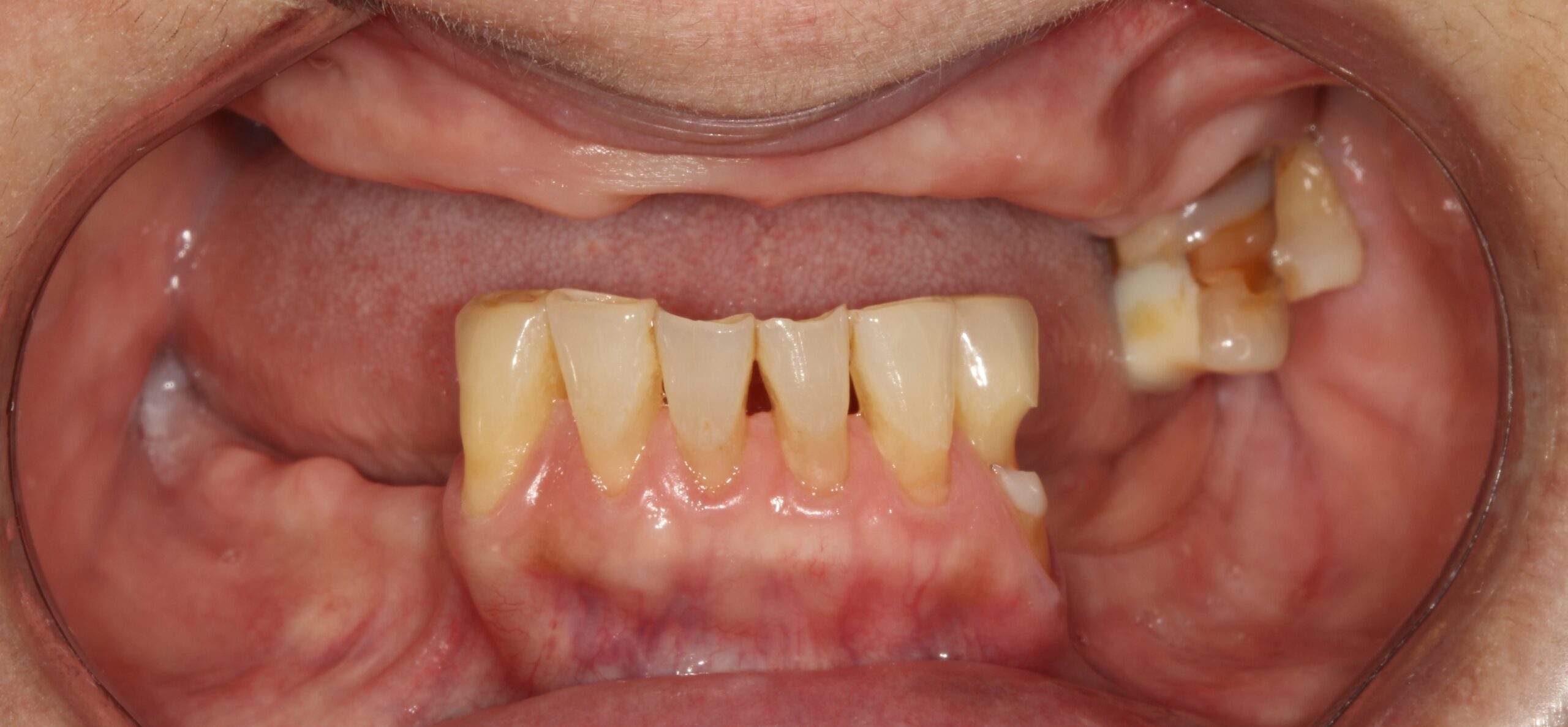
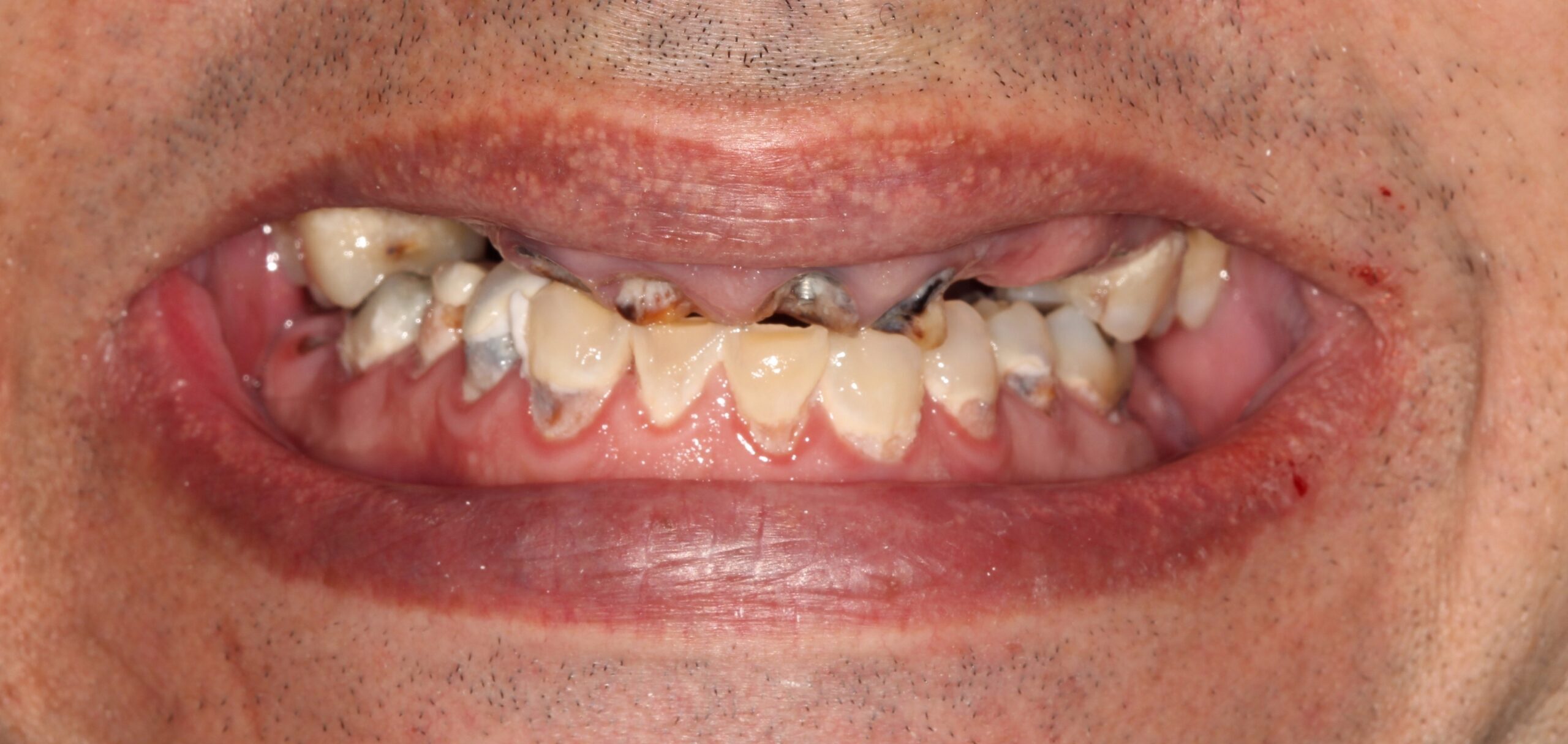
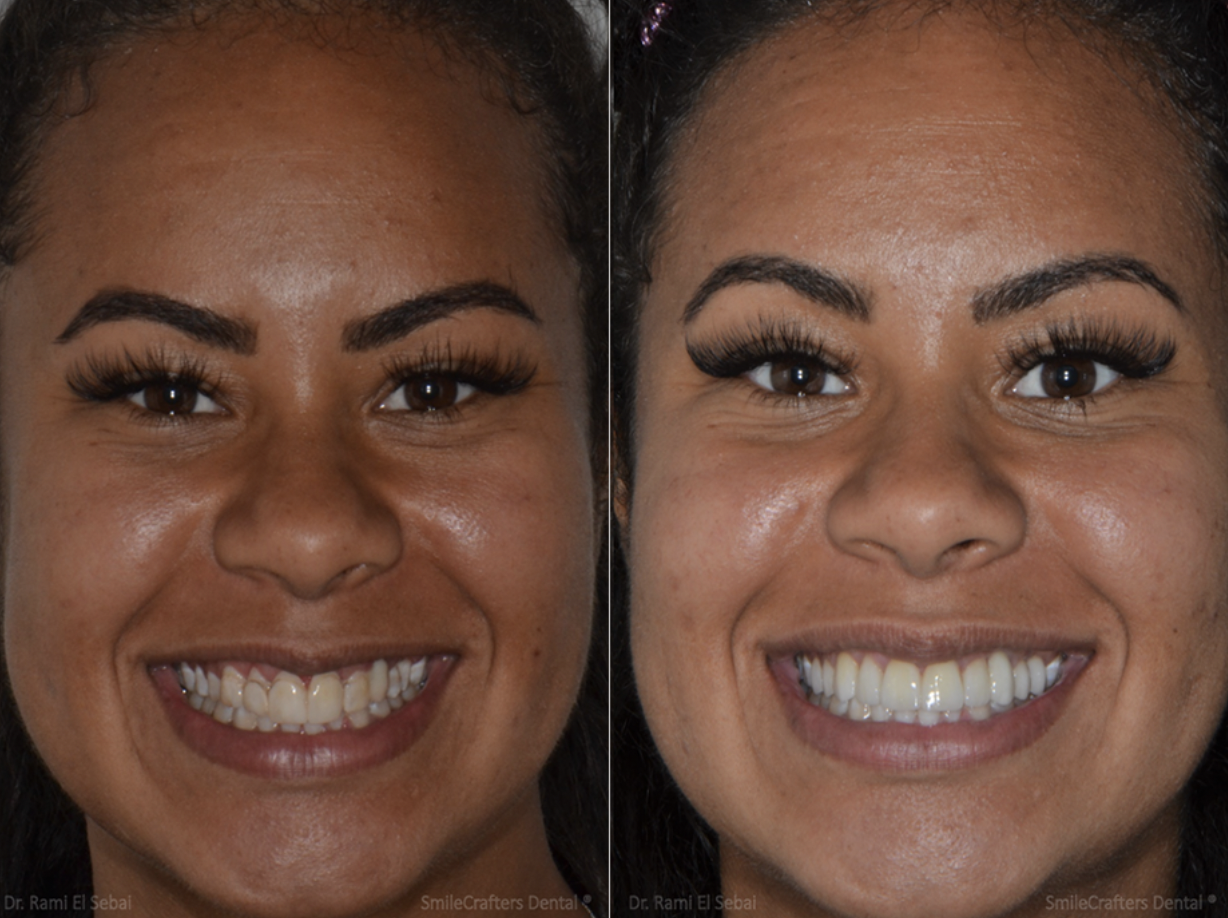
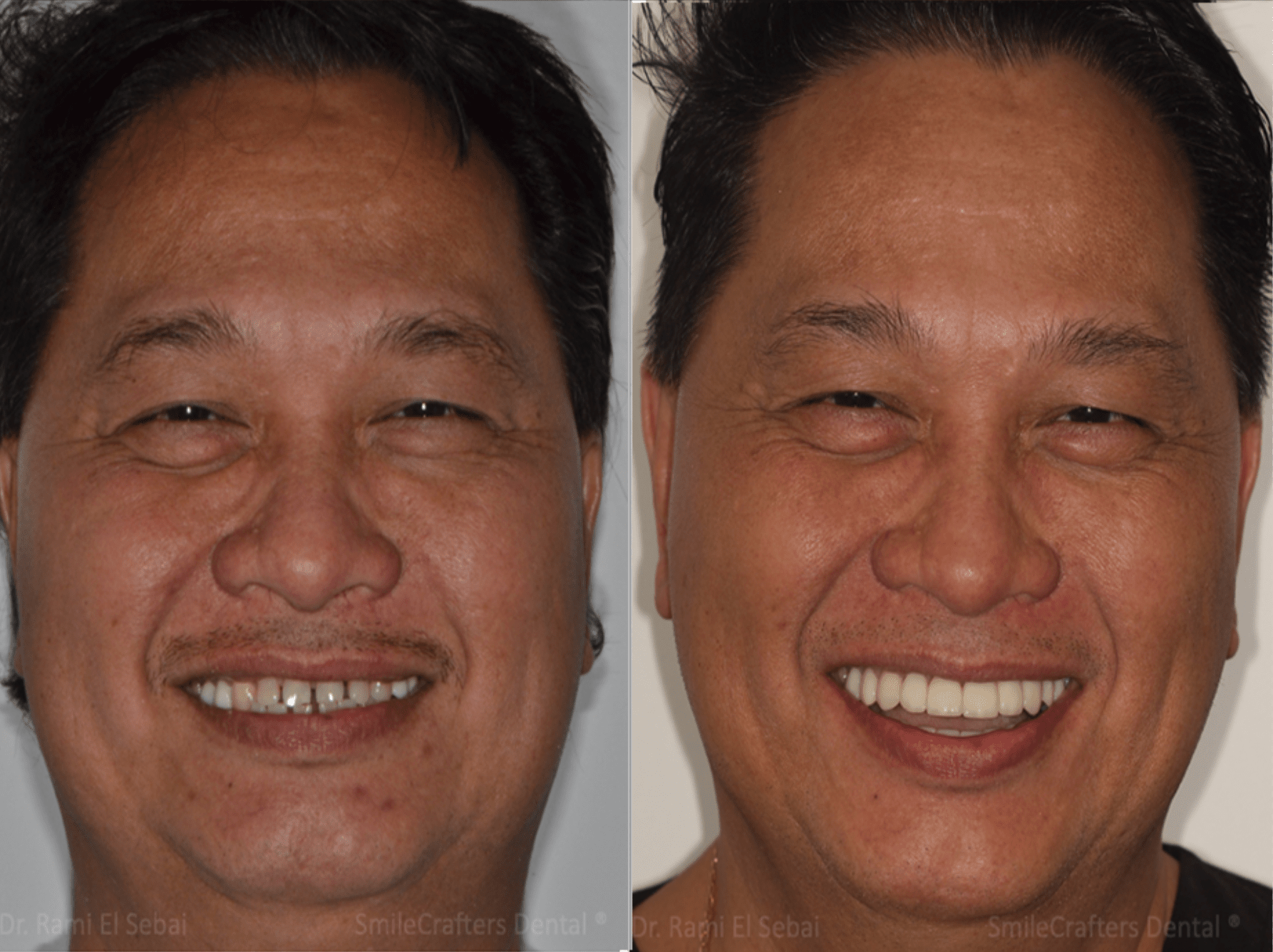
Before & After