
Gummy Smile Treatment at SmileCrafters
A gummy smile occurs when a person’s upper gums are more visible than usual when they smile, which can sometimes make the smile look disproportionate. This condition can be caused by factors such as excessive gum tissue, a short upper lip, or a hyperactive upper lip. Fortunately, there are effective treatments to reduce the appearance of a gummy smile and create a more balanced, aesthetically pleasing smile. Depending on the cause, treatments may include gum contouring, Botox injections, or surgical intervention to reposition the gum tissue or alter the lip’s movement. If you’re concerned about the appearance of your gummy smile, SmileCrafters Dental can help you determine the best treatment option to achieve a confident, harmonious smile that suits you.
Does your gummy smile concern you? Or embarrass you? A smile is considered a gummy when the appearance of the upper teeth is overshadowed by an excessive amount of gum tissue.

What Is a Gummy Smile?
Understanding Excessive Gingival Display
A “gummy smile” occurs when, while smiling, an unusually large portion of your upper gums (gingiva) becomes visible, often overshadowing the teeth. This can make your smile appear disproportionate and less balanced.
How Common Is a Gummy Smile?
When Is Treatment Recommended?
- The gum visibility makes you self-conscious or unhappy with your smile appearance
- Your gum-tooth proportions look unbalanced even when your oral health is good
- Lip movement, tooth position, or gum tissue leads to excessive gum exposure
If any of those apply to you, a consultation with our team can help determine if you’re a good candidate.
What Causes a Gummy Smile?
Hypermobile Upper Lip
Some people naturally have very active upper-lip muscles. When these muscles contract strongly while smiling, the lip rises higher than average, revealing more gum tissue.
Abnormal Eruption of Teeth
Teeth that erupt incorrectly or fail to erupt fully may sit too low relative to the gum line. This can make teeth appear short, exaggerating the look of gums.
Skeletal Deformity
Structural issues in the jaw or upper facial bones — like an oversized maxilla (upper jaw) or vertical overdevelopment — can push gums or teeth into positions that expose more gum when you smile.
Excessive Gum Tissue (Gingival Overgrowth)
Vertical Maxillary Excess
Altered Passive Eruption
Am I a Candidate for Gummy Smile Treatment?
Whether you’re a candidate depends on a mix of aesthetic goals and oral health. At SmileCrafters Dental, we assess you holistically.
Cosmetic Considerations
- If you feel self-conscious showing your gums when you smile
- If you’d like your teeth-to-gum ratio to look more “balanced” or natural
Gum and Tooth Proportions
- If your teeth appear too short or gums too prominent
- If gums cover more of your teeth than is healthy or ideal
Lip Mobility and Jaw Structure
- If your upper lip moves too high when smiling (hypermobile lip)
- If jaw or facial bone structure contributes to excess gum display
Medical or Oral Health Requirements
- Healthy gums and teeth (free from active infection or gum disease)
- No contraindications for procedures like laser contouring or surgery
Gummy Smile Treatment Options
Non-Surgical Treatments
Botox® for Gummy Smile Reduction
For patients whose gummy smile stems from a hyperactive upper lip, Botox injections can relax the lip elevator muscles. That reduces how much the lip lifts during smiling, often enough to restore a more balanced gum-to-teeth ratio. This is a quick, minimally invasive option.
Orthodontic Options (Braces & Aligners)
If the issue is related to teeth position or eruption, such as teeth being too low, orthodontic treatment (traditional braces or clear aligners) can shift teeth into better alignment, improving smile aesthetics and gum exposure over time.
Dental Veneers for Smile Proportion
In some cases, veneers (prosthetic shells bonded to teeth) help lengthen the visible portion of teeth, creating a proportional balance if gums overly dominate the smile. While veneers don’t move gums, they adjust tooth visibility for a more harmonious look.
Minimally Invasive Treatments
Laser Gum Contouring / Gingivectomy
When excess gum tissue hides too much of your teeth, we can carefully remove and reshape the gums using a soft-tissue laser. Compared to traditional scalpels, laser contouring often means less bleeding, reduced discomfort, faster healing, and more precise results.
Lip Repositioning Procedure
In cases where lip mobility contributes heavily to gum show, a surgical lip repositioning procedure can be considered. This involves repositioning soft tissue to limit how high the lip rises, lowering gum exposure when you smile.
Surgical Treatment Options
Crown Lengthening Surgery
Also known as a “gum lift,” crown lengthening reshapes gums, and sometimes underlying bone, to expose more of the tooth crown. This is a more permanent solution for gummy smiles caused by excessive gum or bone covering the teeth.
Orthognathic (Jaw) Surgery for Severe Cases
For patients whose gummy smile is primarily due to skeletal deformities, such as vertical maxillary excess, corrective jaw surgery might be required. This addresses the root bone structure for a long-term, structural fix.
Bone Recontouring or Periodontal Plastic Surgery
In select cases, reshaping underlying bone (or performing periodontal plastic surgery) can be part of achieving a balanced gum-to-teeth ratio, especially when bone structure and gum tissue both contribute to the gummy appearance.

What to Expect During Your Appointment
Comprehensive Smile Evaluation
We’ll examine your gum-tooth proportions, observe your smile dynamics (lip mobility, gum show while smiling), and discuss what bothers you most about your smile.
Digital Imaging & Treatment Planning
With digital imaging and careful measurements, we assess teeth position, gum and bone anatomy, lip movement, everything that matters, to design a customized treatment plan.
Personalized Treatment Recommendations
Depending on what we find, we’ll recommend the treatment (or combination of treatments) that best matches your anatomy, aesthetic goals, and comfort level.
Recovery, Aftercare & Results
Healing Timeline
- Laser gum contouring or minor soft-tissue procedures: often heal in a week or two
- Lip repositioning or crown-lengthening surgery: may require a few weeks for healing, with follow-up visits
- Orthodontic treatments: progress over several months to years, depending on complexity
Post-Treatment Instructions
- After soft-tissue or surgical procedures, we’ll provide care instructions — such as gentle oral hygiene, temporary dietary adjustments, and guidelines to support healing.
Long-Term Maintenance
- Good oral hygiene and regular dental check-ups help maintain results. For orthodontic solutions, wearing retainers or following the orthodontist’s guidance ensures long-lasting balance.
How Long Results Last
- Surgical and laser treatments generally offer permanent improvements (as long as you maintain oral health)
- Botox-based treatments may need repeat sessions every few months, since muscle activity returns over time
Risks, Benefits & Success Rates
Benefits of Gummy Smile Treatment
- More balanced, natural-looking smile
- Improved confidence and self-esteem when smiling
- Better gum-tooth proportion enhances dental aesthetics
- Some procedures (like laser contouring) offer quick recovery and minimal discomfort
Potential Risks or Side Effects
- Mild discomfort, swelling, or sensitivity after soft-tissue or surgical procedures
- Temporary relapse or gum regrowth (rare, depends on maintenance and oral hygiene)
- If Botox is chosen: need for repeat treatments as effect wears off over time
Why Choose SmileCrafters
At SmileCrafters, cosmetic dentistry isn’t one-size-fits-all. We combine advanced techniques (from laser dentistry to crowns to orthodontics) with individualized care. Our clinic employs experienced professionals who treat each patient like family, aiming to deliver both function and confidence in every smile.
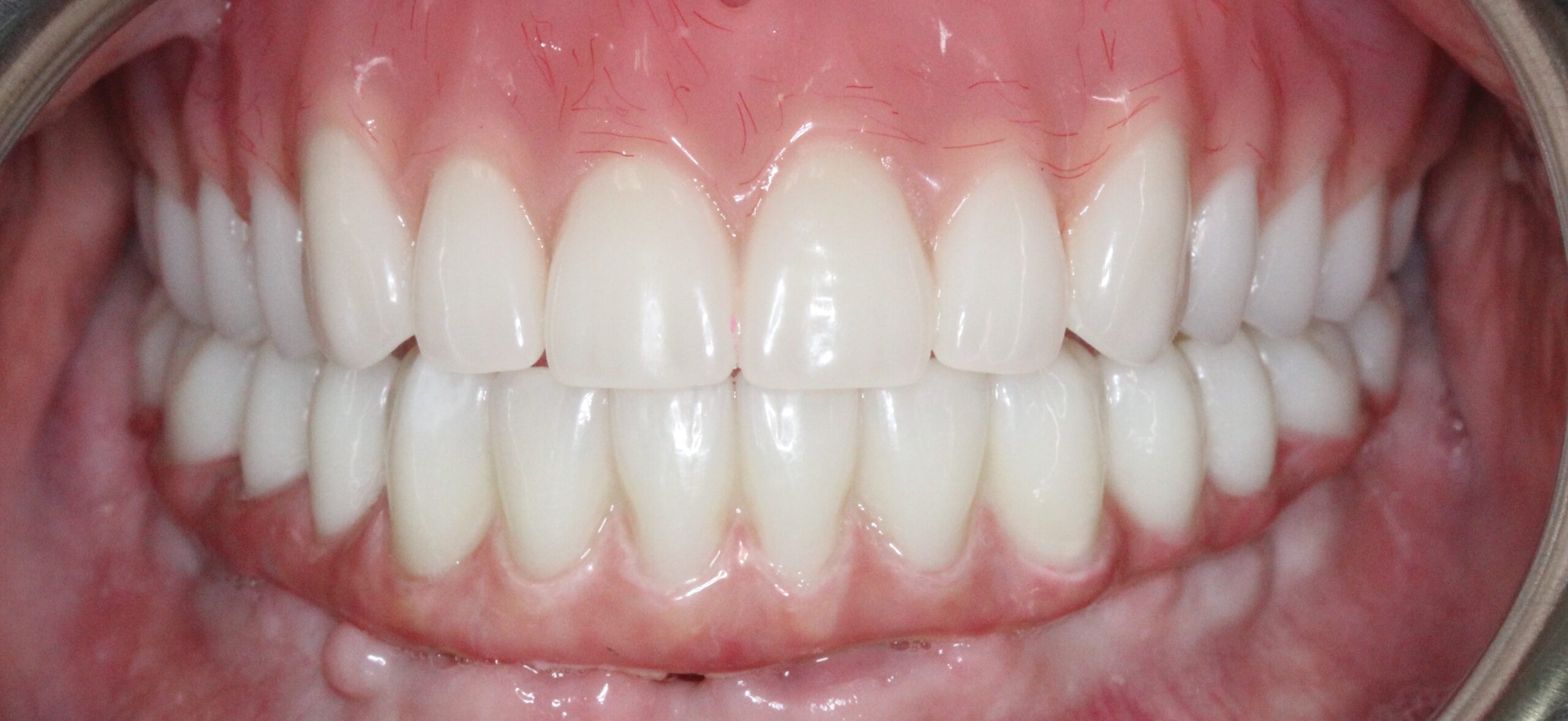
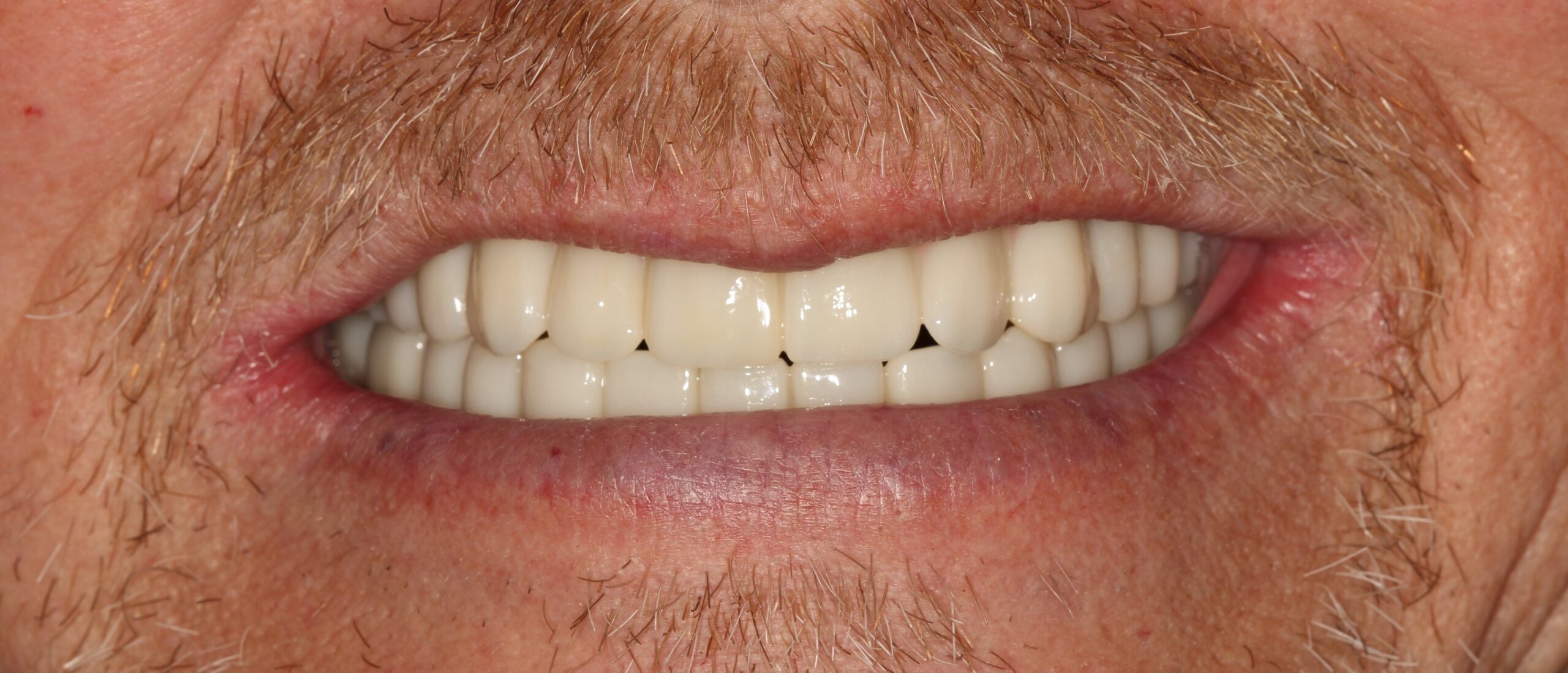
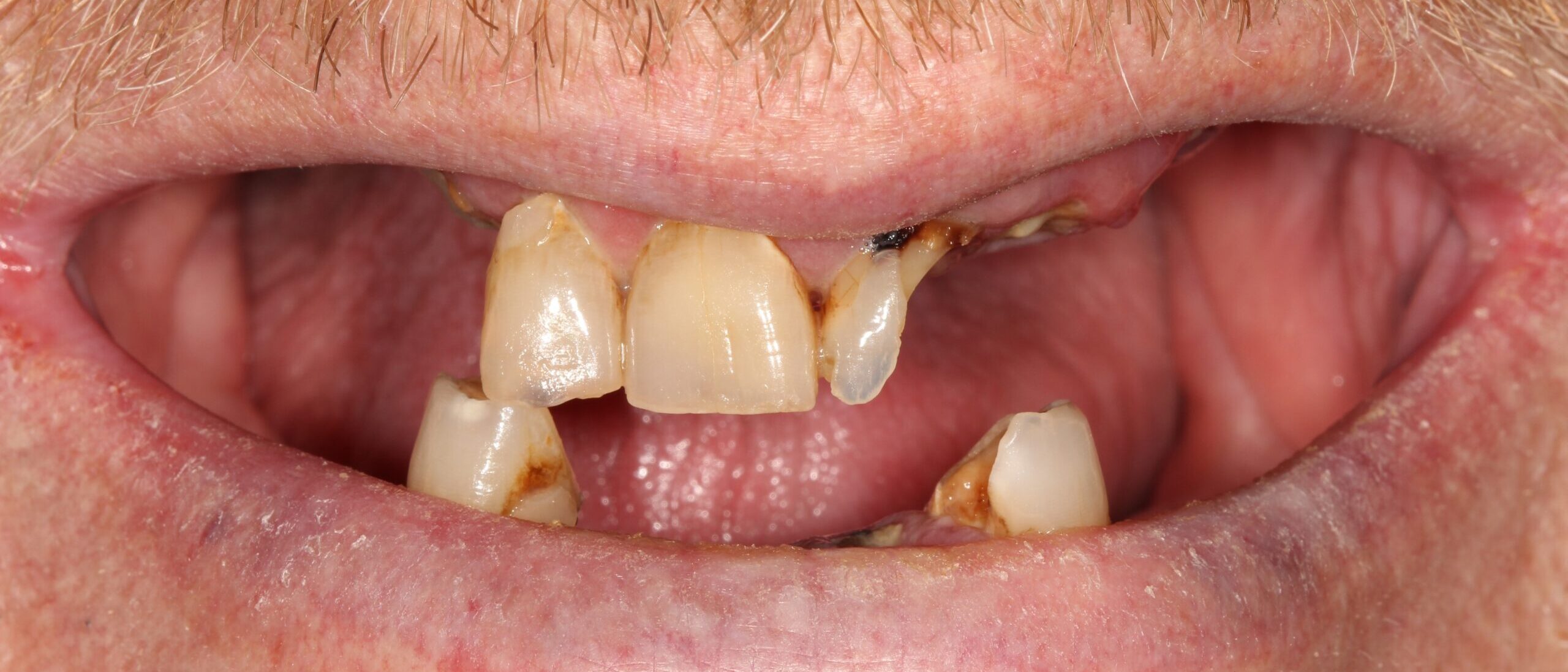
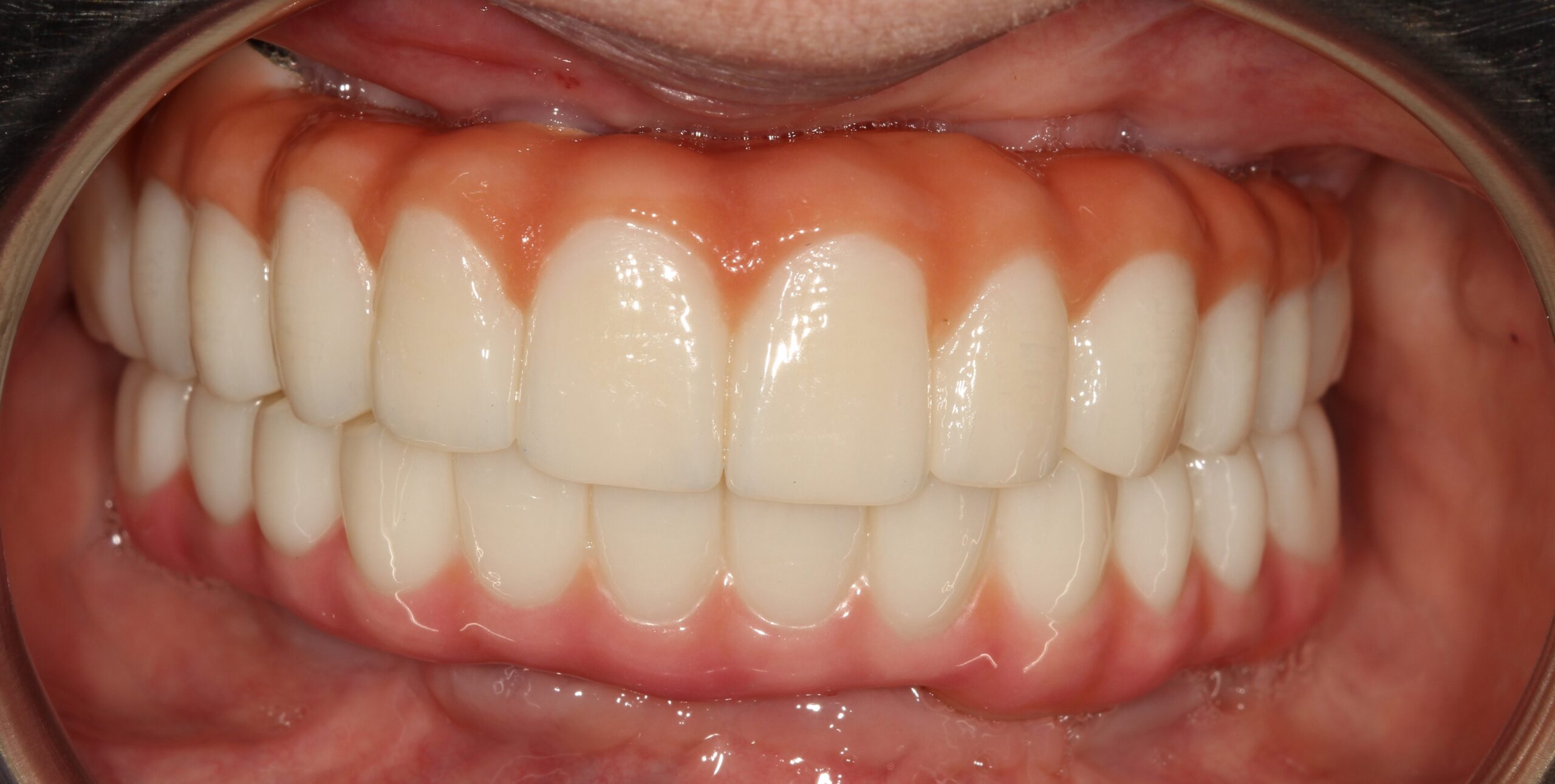
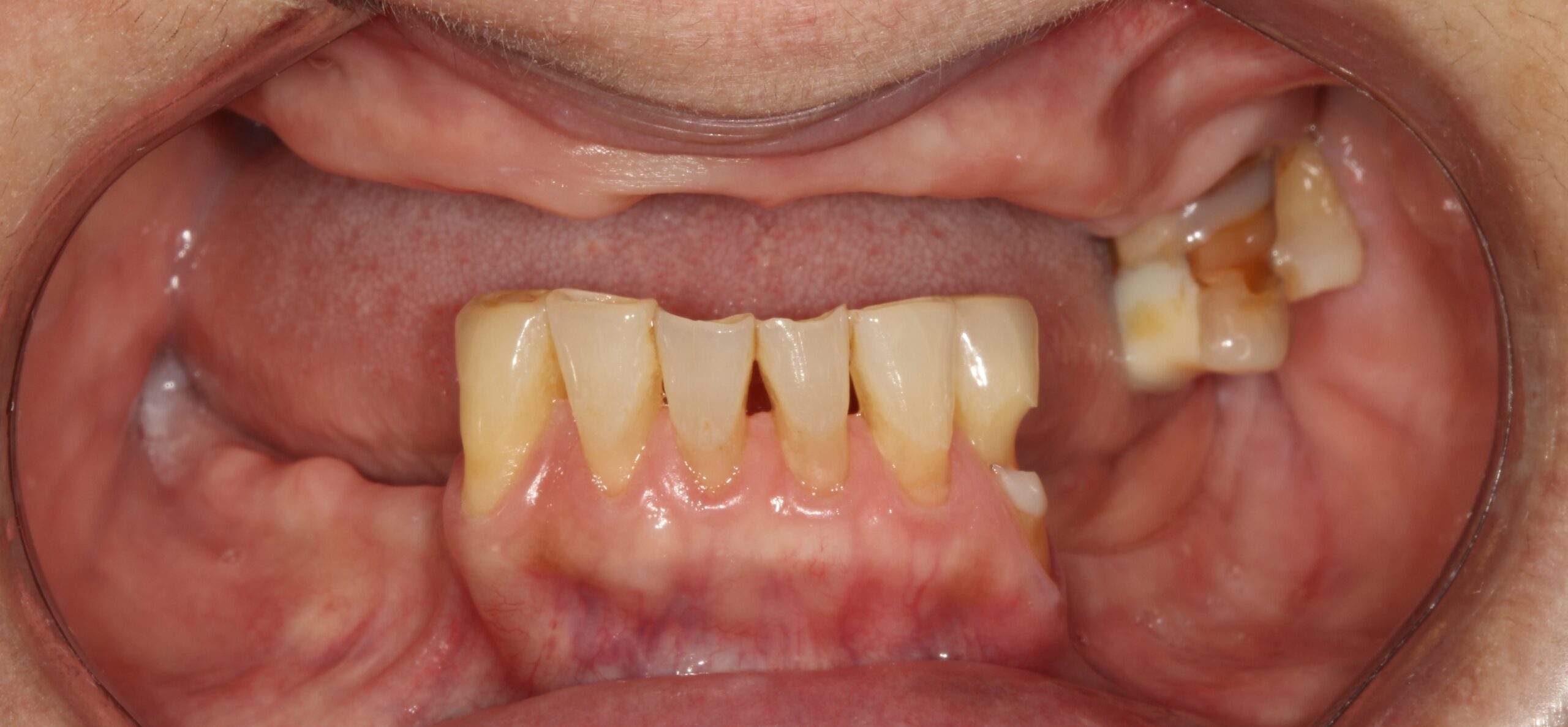
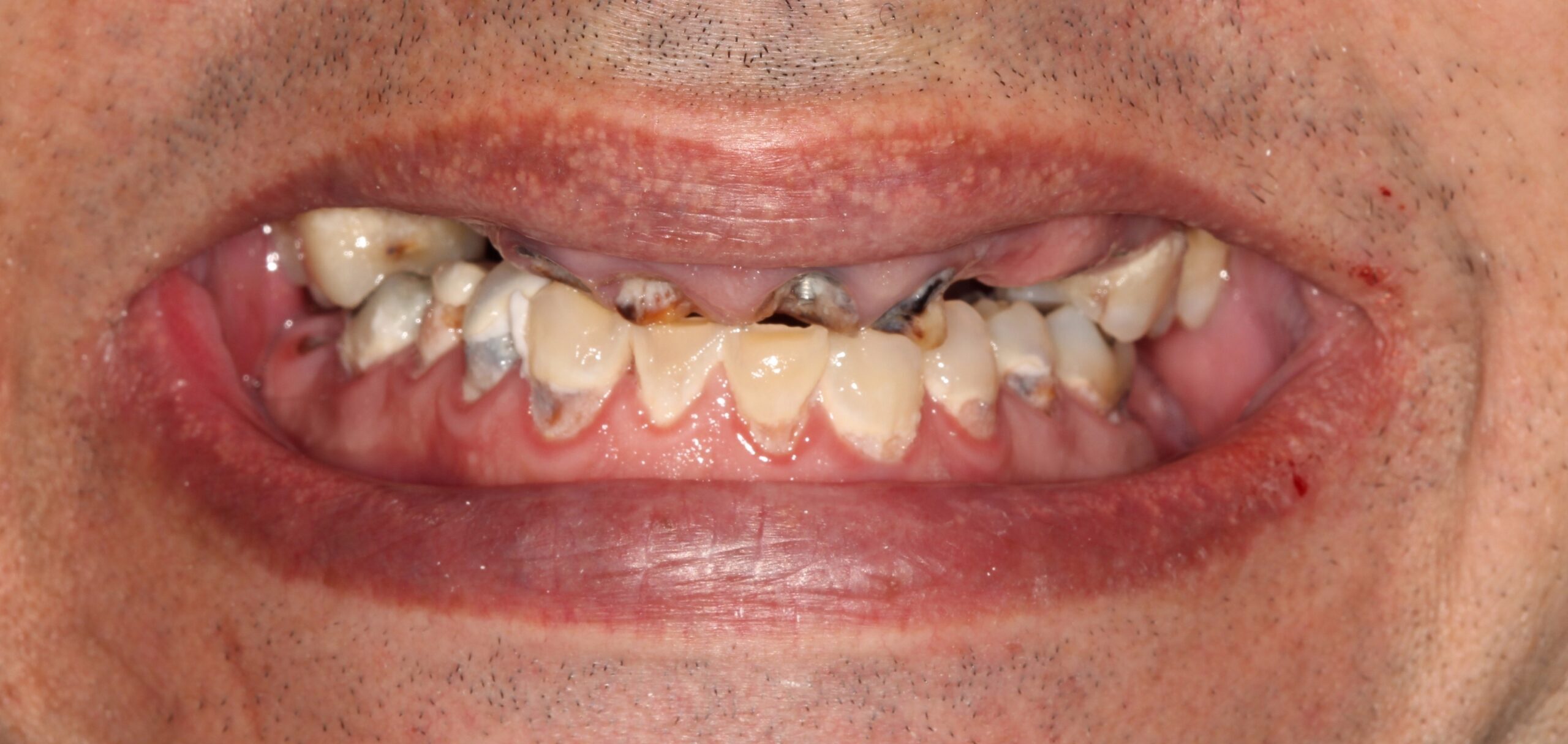
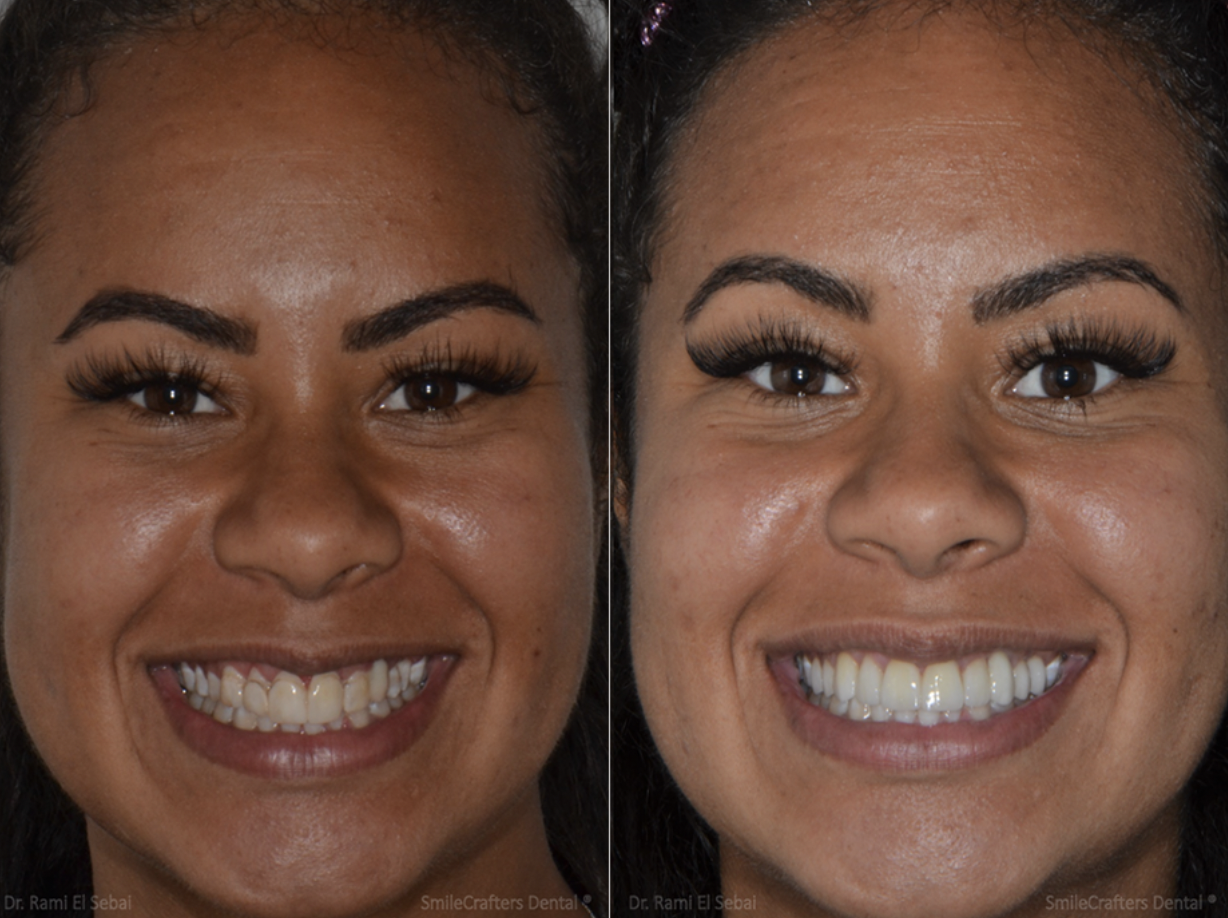
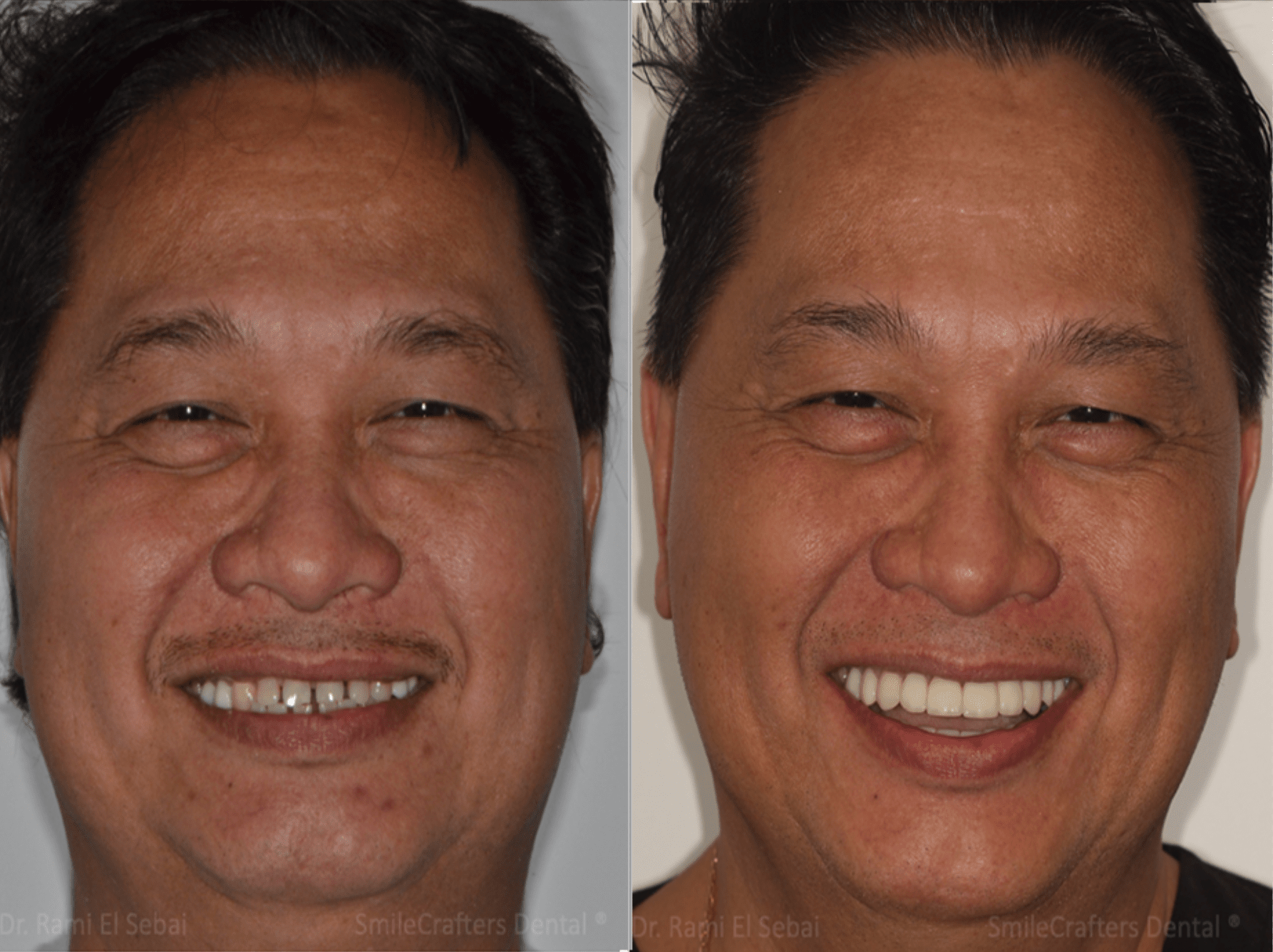
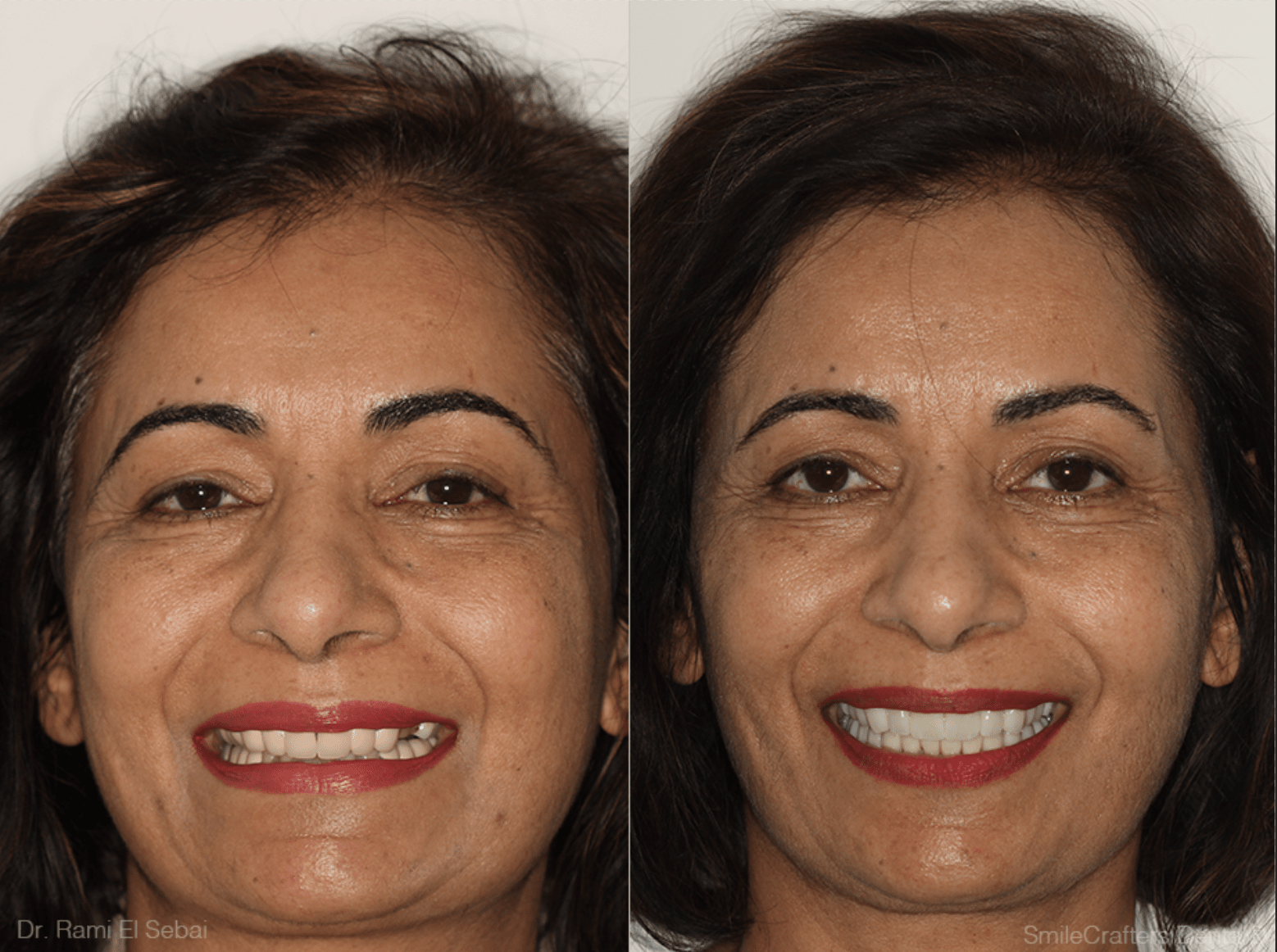
Before & After


Gummy Smile Treatment in Ancaster, Toronto, Brantford & Hamilton
Feel self-conscious when you smile because your gums show too much? Gummy smile treatment reshapes the gumline or balances the way your gums and teeth frame your smile, creating a more proportioned, confident look.








Frequently Asked Questions
Is gummy smile treatment permanent?
Does gummy smile surgery hurt?
How long does recovery take?
In some situations, additional contouring may be needed to refine the final result. It usually takes around eight to twelve weeks before your provider can assess your gums fully and determine whether another procedure is recommended.